
Grevillea thyrsoides
Grevillea thyrsoides Meisn.
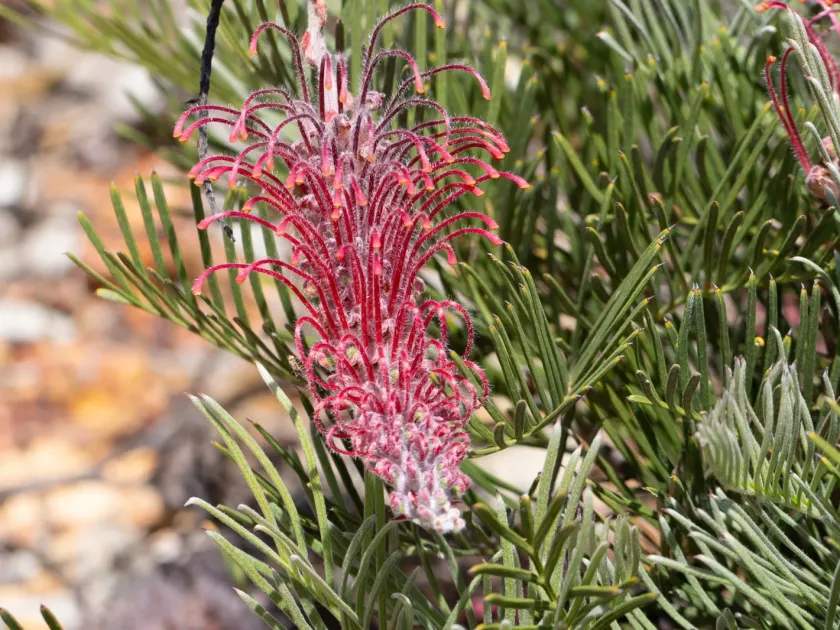
Description
Sowing dates
Propagation of Grevillea thyrsoides is typically achieved through seeds, which require specific pre-sowing treatments. Scarification of the seed coat is recommended to improve water absorption and accelerate germination rates.
Seeds should be sown in a well-draining, acidic, low-nutrient growing medium. Peat-based mixtures with significant amounts of coarse sand or perlite are ideal for providing the necessary aeration for root development.
Maintaining a stable temperature between 20 and 22 degrees Celsius is crucial during the germination phase. A propagation mat or a greenhouse environment helps ensure that soil temperatures do not fluctuate drastically.
Seedlings are extremely fragile and sensitive to root disturbance. It is imperative to transplant them into individual containers once the first set of true leaves appears, taking extreme care to keep the root ball intact.
Patience is required, as germination can be sporadic and slow. Keeping the substrate consistently moist but not waterlogged is the key to successfully raising healthy young plants ready for outdoor conditions.
Growing requirements
Grevillea thyrsoides is a perennial shrub belonging to the Proteaceae family, native to the diverse landscapes of Australia. It is highly adapted to nutrient-poor soils, which defines its specific requirements in agricultural and garden settings.
This species demands high light intensity to thrive and bloom properly. Planting or placing the shrub in full sun is essential, as shaded conditions lead to weak growth, sparse foliage, and poor flower production.
The soil must provide exceptional drainage to prevent root rot. Grevillea species are notorious for their sensitivity to phosphorus and moisture-rich, heavy soils, necessitating a substrate with an acidic pH level around 5.5 to 6.5.
Water management is the most critical aspect of the plant's husbandry. While they demonstrate resilience to drought once established, regular and precise watering is needed during the growing season to support development.
Temperature control is equally important. Being native to milder climates, the species does not tolerate heavy frosts well. In cooler regions, it must be grown in containers that can be moved to a protected location during winter months.
Main diseases and pests
Root rot caused by Phytophthora species is the most severe threat to Grevillea thyrsoides. It is almost always a consequence of poor drainage and overwatering, making it difficult to treat once the symptoms become visible.
Pests such as scale insects and mealybugs can infest the plant, particularly in sheltered or poorly ventilated environments. These pests damage the foliage and sap the plant’s energy, potentially leading to stunted growth.
Sensitivity to phosphorus is a unique physiological threat for this species. Using standard, high-phosphorus fertilizers can be fatal, as the plant's roots are specialized for extracting nutrients from extremely infertile environments.
Regular inspection of the foliage and stems is recommended to detect any signs of infestation or fungal infection. Early intervention with gentle, non-chemical solutions is preferred to maintain the plant’s health and longevity.
Good cultural practices, such as ensuring proper airflow through the canopy and keeping the root zone free from stagnant water, are the best methods for mitigating disease risks. Healthy plants exhibit strong natural defenses.