
Grevillea preissii hybrid
Grevillea preissii x Grevillea fililoba
Description
Growing requirements
Grevillea preissii hybrid (Grevillea preissii x Grevillea fililoba) is a distinct cultivar belonging to the Proteaceae family, widely appreciated in horticulture for its exceptional foliage and vibrant inflorescences. This hybrid combines the hardiness of its parent species, making it a sought-after specimen for xeriscape and decorative gardening.
Native to Western Australia, this plant is naturally adapted to semi-arid environments. It thrives in regions characterized by Mediterranean-type climates, where seasonal rainfall is followed by long, dry periods. Understanding its origin is key to managing its growth effectively in a home garden or landscape setting.
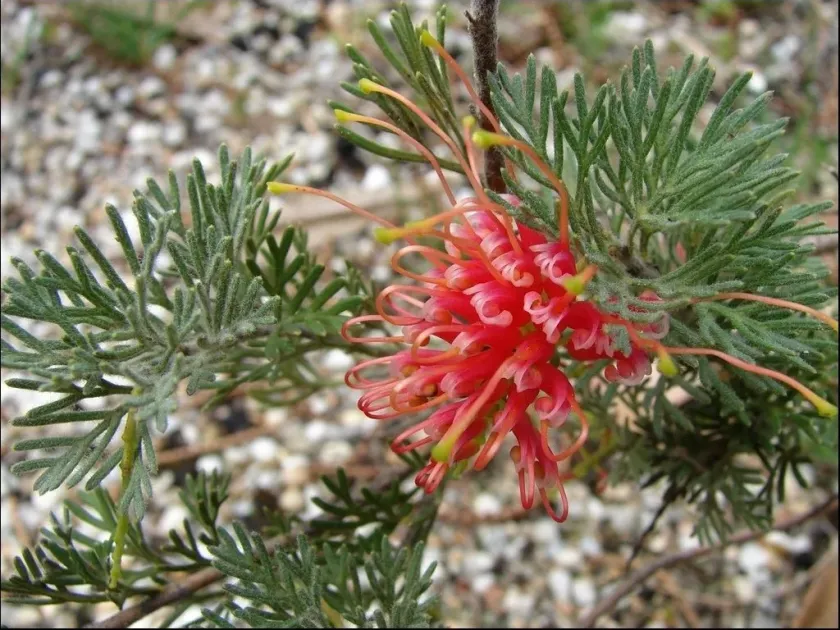
Botanically, the plant features finely divided, needle-like foliage that provides excellent texture. Its flowers are produced in distinct clusters, often described as toothbrush-shaped, which are highly attractive to nectar-feeding birds and beneficial insects, playing a functional role in supporting local ecosystem health.
Successful cultivation requires full sun exposure and perfectly drained soil. Unlike many common garden shrubs, this Grevillea suffers significantly if planted in heavy, clay-rich soils that retain moisture. Planting on slopes or raised beds with a sandy, gritty substrate is highly recommended to ensure root longevity.
Agronomic management is specialized: fertilizing must be done carefully, avoiding products with high phosphorus content, as this can be toxic to the plant. Watering should be minimal once the plant is established, as deep, infrequent irrigation is preferred over shallow, daily watering to prevent crown rot.
Main diseases and pests
The primary biotic threat to this crop is Phytophthora root rot. This fungal disease is virtually incurable once established in the root system. Prevention is the only viable strategy, achieved by strictly managing soil drainage and ensuring that the base of the plant remains dry and well-ventilated throughout the year.
Insect pests such as scale insects and spider mites may occasionally infest the foliage, particularly in poorly ventilated conditions or greenhouse environments. Monitoring for signs of infestation and using targeted horticultural oils can mitigate these issues without damaging the plant's delicate hormonal balance or foliage quality.