
Grevillea preissii
Grevillea preissii
Description
Growing requirements
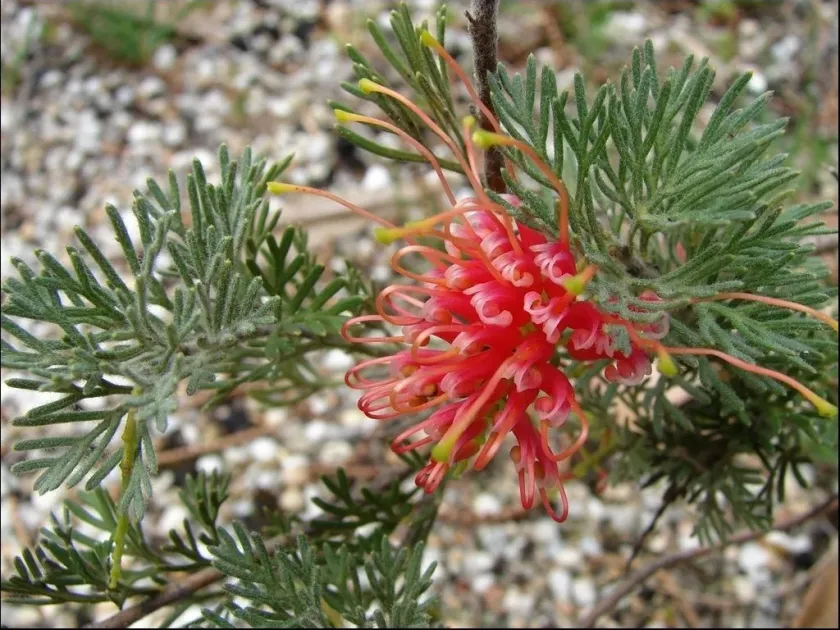
Grevillea preissii is a hardy evergreen shrub belonging to the Proteaceae family, native to the sandy plains of Western Australia. It is highly valued in horticulture for its resilient nature and unique, brush-like flowers that bloom in shades of red to orange.
The plant features pinnate leaves with a distinctive grayish, pubescent texture, contributing to its ornamental appeal. It usually reaches a compact height, making it highly suitable for borders, rock gardens, and container planting in Mediterranean-type climates.
The primary soil requirement for this species is excellent drainage. Being adapted to arid environments, it thrives in sandy, acidic to neutral soils. Gardeners must avoid using high-phosphorus fertilizers, as members of the Proteaceae family can suffer toxicity from excessive phosphate levels.
Regarding climate, Grevillea preissii prefers full sun exposure to maintain its shape and promote vigorous flowering. It demonstrates remarkable drought tolerance once established, though supplemental watering during the initial stages is essential for successful root development.
The cultural utility of this plant is strictly ornamental. Beyond residential landscaping, it is used in conservation projects to restore native vegetation and attract local pollinators such as birds and bees, which rely on its nectar-rich flowers throughout the flowering season.
Main diseases and pests
The most common agricultural threat to this shrub is root rot, typically caused by Phytophthora species in poorly drained soil. Strict adherence to irrigation schedules is the most effective management strategy to prevent fungal outbreaks.
Pest issues are generally minor but may include infestations of scale insects or aphids. Monitoring the foliage and using targeted organic soaps or insecticidal sprays are recommended to maintain plant health without damaging the surrounding ecosystem.