
Grevillea obtusifolia
Grevillea obtusifolia Meisn.
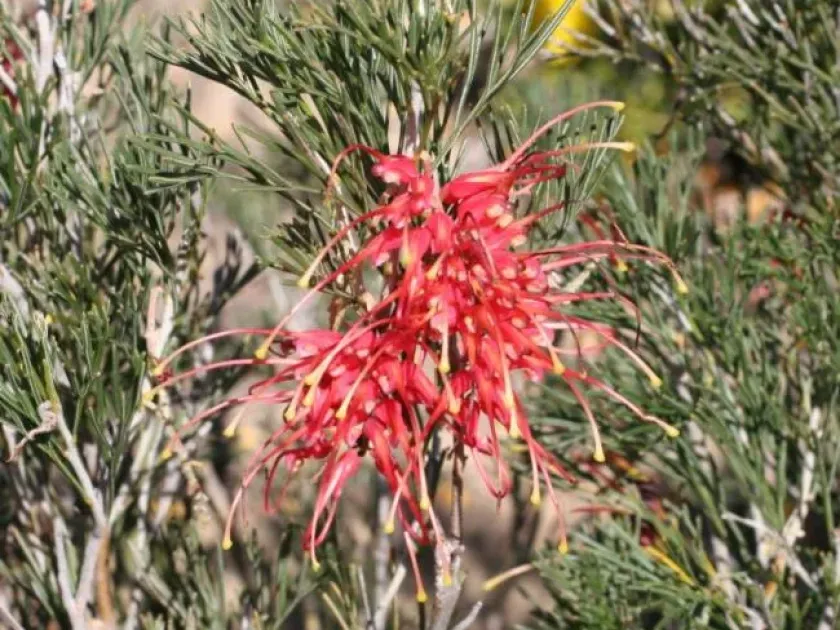
Description
Growing requirements
Grevillea obtusifolia is a low-growing evergreen shrub belonging to the Proteaceae family, native to Western Australia. It is highly valued in landscaping for its dense habit and resilient foliage, often used as an effective ground cover.
The primary requirement for this species is extremely well-drained soil. It thrives in sandy or light, rocky substrates that mimic its natural habitat. Heavy soils that retain moisture must be amended with grit or perlite to prevent root rot.
Full sun exposure is necessary for the plant to maintain its structural integrity and encourage flowering. While it can tolerate partial shade in hotter climates, it is best suited for bright, open areas to ensure dense growth patterns.
Regarding climate, the plant is frost-tender and requires protection from freezing temperatures. In cooler regions, it is best cultivated in pots that can be moved indoors or into a greenhouse during the winter months.
Fertilization must be handled with caution, as species within the Proteaceae family are highly sensitive to phosphorus. Use only fertilizers specifically labeled for Australian native plants or low-phosphorus formulations to avoid toxicity.
Main diseases and pests
Root rot, specifically caused by Phytophthora, is the most significant threat to Grevillea obtusifolia. This pathogen thrives in saturated, stagnant soil, making proper drainage the most effective preventive measure against such infections.
Insects like spider mites, mealybugs, and scale insects can become problematic, particularly when the plant is kept in dry, indoor conditions. Regular monitoring of the foliage and stems is recommended to catch infestations early.
Chlorosis, or yellowing of the leaves, is a common issue often caused by an incorrect soil pH. The plant prefers slightly acidic soil, and using tap water with high lime content can gradually increase the pH and cause nutrient lockout.
Fungal leaf spots may occur during periods of high humidity and poor air circulation. Ensuring the plant is positioned where it receives good airflow helps to dry out the foliage quickly and minimizes the chances of fungal colonization.
If physical damage occurs due to pruning or transplanting, it can serve as an entry point for diseases. Always use sterilized tools when trimming the shrub to prevent the spread of pathogens between plants or branches.