
Grevillea longistyla x venusta
Grevillea longistyla x venusta
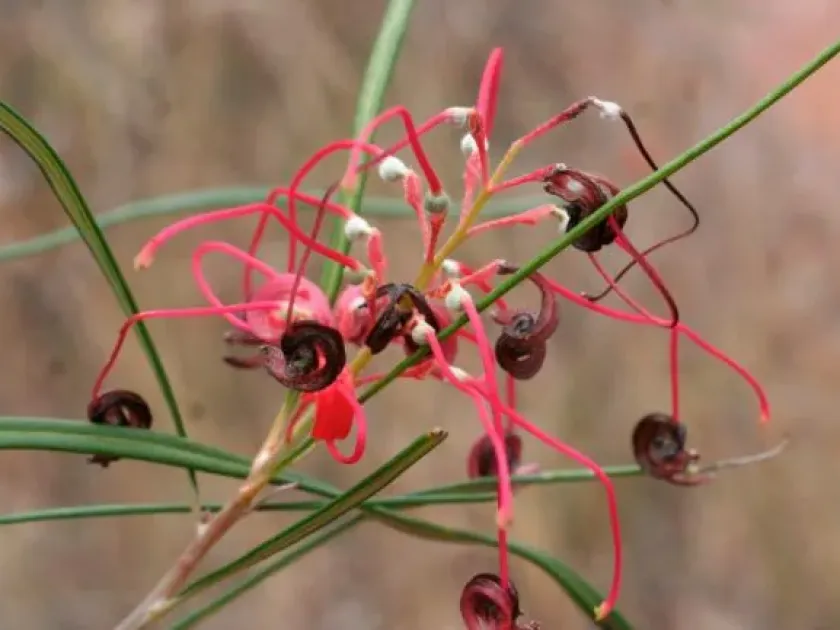
Description
Growing requirements
Grevillea longistyla x venusta is an ornamental hybrid shrub belonging to the Proteaceae family, highly prized for its unique, long-lasting inflorescences. Originating from Australian parentage, it is well-adapted to specific ecological niches that require specialized horticultural care.
This species thrives in full sun exposure, which is essential for stimulating optimal flowering and maintaining a dense, healthy growth habit. It requires a climate that avoids heavy, prolonged frosts, making it ideal for mild temperate or Mediterranean-type environments.
The soil requirements are strict: the medium must be well-drained, acidic, and low in phosphorus. Because Proteaceae are sensitive to phosphorus, gardeners must avoid conventional fertilizers and opt for specialized low-phosphorus feeds to prevent plant toxicity.
A crucial aspect of cultivation is managing water intake; the plant is highly susceptible to root rot if soil moisture remains consistently high. Watering should be deep but infrequent, allowing the top layer of the substrate to dry out between sessions.
In landscaping, this grevillea is primarily utilized as a feature plant in borders or rock gardens. Its dramatic flowers also make it a popular choice for cut flower arrangements, adding an exotic flair to bouquets and decorative displays.
Main diseases and pests
The most significant threat to Grevillea longistyla x venusta is root decay, typically triggered by poor soil drainage and waterlogging. Fungal pathogens attack the root system, often leading to rapid decline before the gardener notices visible symptoms.
Pests such as scale insects and aphids can colonize young stems and foliage, particularly during spring growth flushes. Integrated pest management, including regular monitoring and using horticultural oils, is highly recommended for effective control.
Chlorosis is a frequent nutritional issue when the soil pH is not maintained at an acidic level. This condition prevents the plant from absorbing essential nutrients like iron and manganese, resulting in yellowing foliage and reduced vigor.
Mechanical damage to the sensitive root system during transplanting or weeding can introduce opportunistic pathogens. It is advised to avoid digging near the root zone and to use mulch to suppress weeds instead of manual cultivation.
Sensitivity to excessive nitrogen is a notable characteristic; over-fertilizing can lead to lanky, weak growth and make the plant more susceptible to various leaf-spotting fungi. Balanced maintenance is the key to a long-lived specimen.