
Grevillea
Grevillea leiophylla x humilis ssp maritima
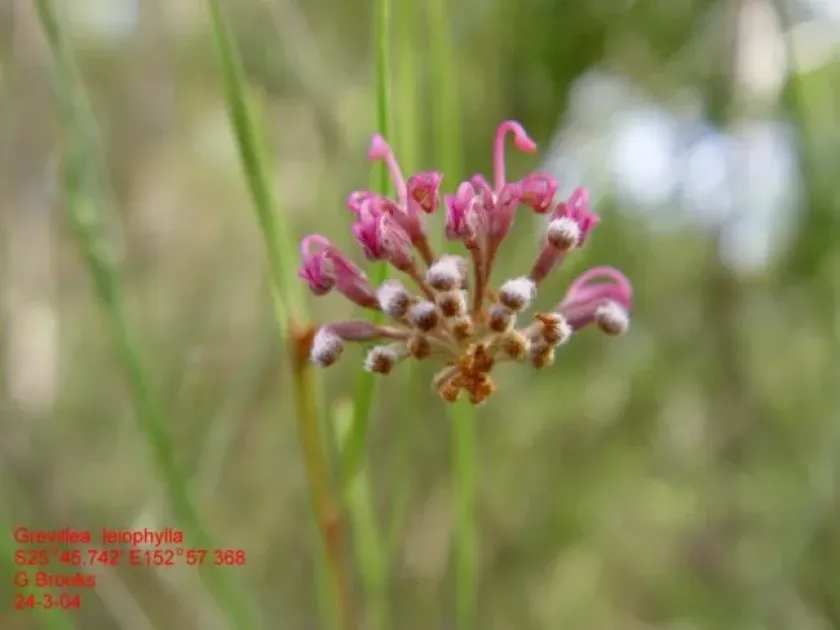
Description
Growing requirements
Grevillea (Grevillea leiophylla x humilis ssp maritima) belongs to the Proteaceae family. This hybrid shrub is widely recognized for its unique aesthetic appeal and specific adaptability to dry, low-nutrient environments.
Originating from the Australian landscape, this plant is naturally suited for sandy soils. In agricultural and horticultural settings, it demands high levels of soil drainage, as the fine root hairs are highly susceptible to root rot in saturated conditions.
The plant requires full sun exposure to thrive and maintain its dense growth habit. While it is exceptionally drought-tolerant once established, younger plants require consistent monitoring of moisture levels until they develop a deep root system.
The ideal soil profile should be acidic or neutral. It is essential to strictly manage phosphorus intake, as Grevillea species have evolved to thrive in phosphorus-poor soils, and excessive application can lead to severe nutrient toxicity.
Regarding climate, the plant prefers temperate conditions. It exhibits some tolerance to light frost; however, in regions with harsh winters, it is highly recommended to cultivate it in portable containers that can be moved to a protected environment.
Main diseases and pests
Fungal pathogens, particularly Phytophthora species, represent the primary threat to Grevillea. These organisms thrive in damp, poorly drained soils and can cause catastrophic failure of the root system.
Pests are generally manageable, though mealybugs can pose a problem in greenhouse settings or sheltered garden areas. Regular inspection of leaf axils and stems is necessary to detect early-stage infestations.
Aphids occasionally attack new, soft growth during the spring season. A simple jet of water or the application of insecticidal soap is usually sufficient to control their numbers without causing damage to the plant.
Iron-deficiency chlorosis is a common physiological issue, particularly when plants are grown in alkaline soils that lock up iron. Correcting soil pH or applying chelated iron can effectively resolve this condition.
Preventive maintenance includes keeping the foliage dry and ensuring good air movement around the plant. Avoiding overhead irrigation helps minimize the risk of foliar fungal infections and promotes overall plant vitality.