
Grevillea leiophylla
Grevillea leiophylla
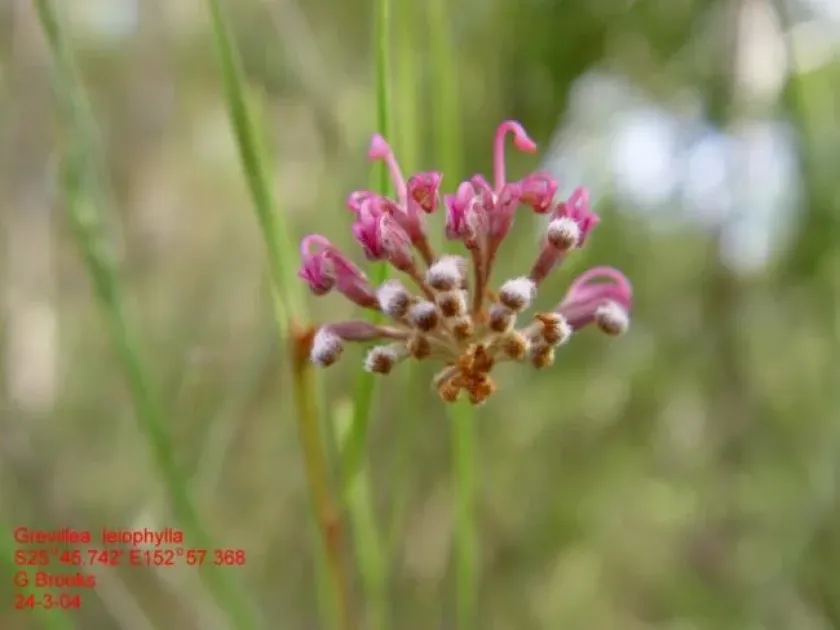
Description
Growing requirements
Grevillea leiophylla is a perennial evergreen shrub belonging to the Proteaceae family, native to the southwestern regions of Western Australia. It is well-adapted to surviving in nutrient-poor, sandy soils that define its natural habitat.
The cultivation of this plant requires specific soil conditions, primarily excellent drainage. It is highly sensitive to phosphorus, meaning that standard agricultural fertilizers should be avoided, as the plant's proteoid roots are specialized for efficient nutrient absorption in poor soils.
In terms of environment, this species thrives in full sun exposure. It displays significant drought tolerance once established, though it benefits from supplemental watering during the initial growth stages or during periods of extreme heat and prolonged dry spells.
Botanically, it is recognized by its smooth, leathery leaves which provide a distinct texture compared to other Grevillea species. Its growth habit is compact, making it an ideal candidate for low-maintenance landscaping in Mediterranean climates.
The economic and aesthetic value of Grevillea leiophylla lies in its use as an ornamental plant. It contributes to biodiversity in gardens by attracting native pollinators, including birds and bees, which are essential for the local ecosystem.
Main diseases and pests
The most significant threat to Grevillea leiophylla is Phytophthora root rot, which is triggered by waterlogged soil conditions. Proper soil structure is the best preventative measure against this often fatal fungal disease.
Common pests include scale insects and mealybugs that congregate on the stems and leaf axils. These pests can weaken the plant by extracting sap, which may lead to stunted growth or increased susceptibility to secondary infections.
Chlorosis is a common physiological disorder encountered in alkaline soils where essential nutrients, particularly iron, become unavailable for uptake. Monitoring soil pH is vital for maintaining the plant's health and visual appeal.
Soil-borne nematodes can pose a risk to the root system, particularly in sandy substrates. Maintaining vigorous plant health through appropriate spacing and avoiding excessive mulch near the main stem helps mitigate this danger.
Environmental stress, such as unseasonal frost or extreme humidity, can also affect the plant's vigor. Strategic site selection that ensures good air circulation is essential for reducing the prevalence of fungal pathogens on the foliage.