
Grevillea laurifolia
Grevillea laurifolia Sieber ex Spreng.
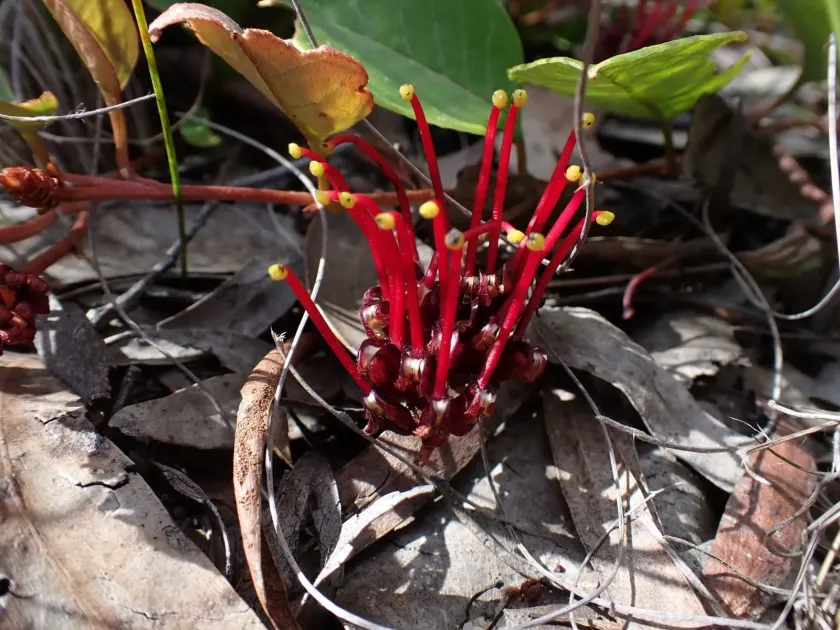
Description
Growing requirements
Grevillea laurifolia, commonly known as the laurel-leaf grevillea, is a prostrate, evergreen shrub belonging to the Proteaceae family, native to the Blue Mountains of Australia.
The plant is valued for its vigorous spreading habit, capable of creating a dense ground cover with its characteristic laurel-shaped, dark green foliage.
Successful cultivation requires well-drained, acidic soil that is notably low in phosphorus, as the plant's proteoid roots are highly sensitive to fertilizer burn.
It thrives in full sun to partial shade conditions and performs best when planted in an environment that mimics its native habitat, providing shelter from harsh winds.
Proper water management is essential; the soil must remain moist but never waterlogged to prevent the development of root-related complications typical of this species.
Main diseases and pests
Root rot, particularly caused by Phytophthora species, is the most significant threat to Grevillea laurifolia, often resulting from poor soil drainage or excessive moisture.
Scale insects and aphids can periodically infest the stems and undersides of leaves, requiring manual inspection and potential use of horticultural oils for control.
Iron chlorosis may manifest if the soil pH is too alkaline, preventing the plant from effectively absorbing necessary micronutrients for healthy chlorophyll production.
Maintaining adequate spacing and ensuring good airflow around the plant helps mitigate the risk of fungal infections such as leaf spot or powdery mildew.
In regions prone to severe frost, it is critical to provide adequate protection, as the species may suffer significant foliage dieback or mortality in extreme cold.