
Grevillea lanigera x lavandulacea
Grevillea lanigera x lavandulacea
Description
Growing requirements
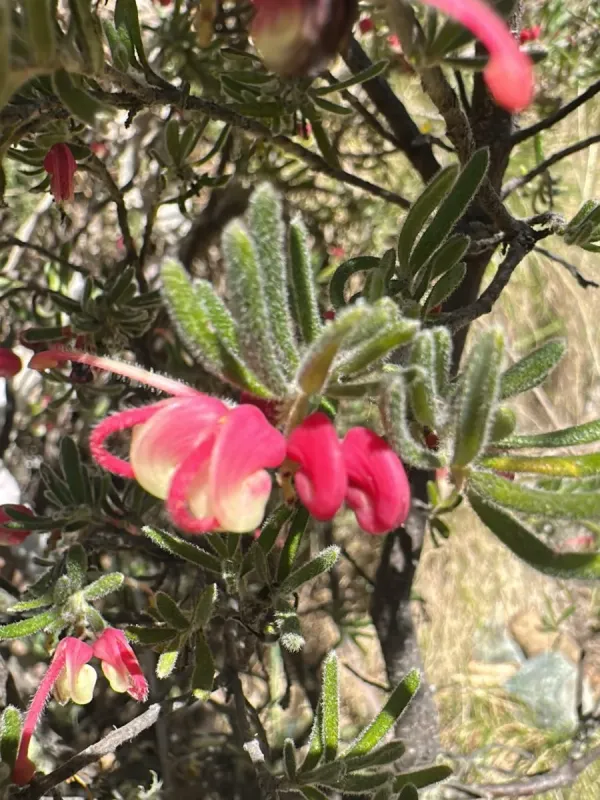
Grevillea lanigera x lavandulacea belongs to the Proteaceae family and is a popular hybrid shrub known for its dense, woolly foliage and vibrant flower clusters. It has become a staple in many xeriscaped gardens due to its resilience.
Originating from the diverse landscapes of Australia, this cultivar has adapted to survive in regions with poor, arid soils. This heritage makes it an ideal candidate for gardens that aim to minimize water consumption while maintaining high aesthetic appeal.
The plant strictly requires well-drained, sandy-loam soils to thrive. It cannot tolerate waterlogged conditions, which frequently lead to root failure. Gardeners often plant it on slopes or raised beds to ensure proper drainage is maintained throughout the year.
It prefers full sun exposure to maintain its compact shape and ensure prolific flowering. While it can tolerate light frosts, it performs best in climates that mimic Mediterranean conditions, where it is protected from extreme temperature drops during winter.
Economically and horticulturally, it is utilized as an ornamental shrub for low-maintenance landscaping. Its drought-tolerant nature makes it a sustainable choice for urban planning in regions with limited irrigation resources.
Main diseases and pests
Root rot caused by Phytophthora species is the most significant threat to this shrub. This pathogen is almost exclusively encouraged by high soil moisture content, which highlights the importance of maintaining a dry root zone.
Pests such as scale insects and aphids can infest the stems and leaves, sucking the plant's sap and reducing its vigor. Regular monitoring is essential to catch these infestations before they spread to other parts of the shrub.
Sensitivity to phosphorus is a well-documented trait in many Proteaceae members. Using conventional multi-purpose fertilizers can result in plant death, so gardeners must use specific, low-phosphorus fertilizers designed for native Australian plants.
Pruning is essential for both plant health and aesthetic appeal. By removing dead or crowded branches, the gardener improves airflow through the foliage, which significantly reduces the risk of fungal infections during humid seasons.
Overall, the health of the plant is highly dependent on adhering to its specific habitat requirements. If provided with adequate drainage and sun, this grevillea hybrid will remain a long-lived and virtually disease-free fixture in the landscape.