
Grevillea juniperina
Grevillea juniperina x Grevillea rhyolitica
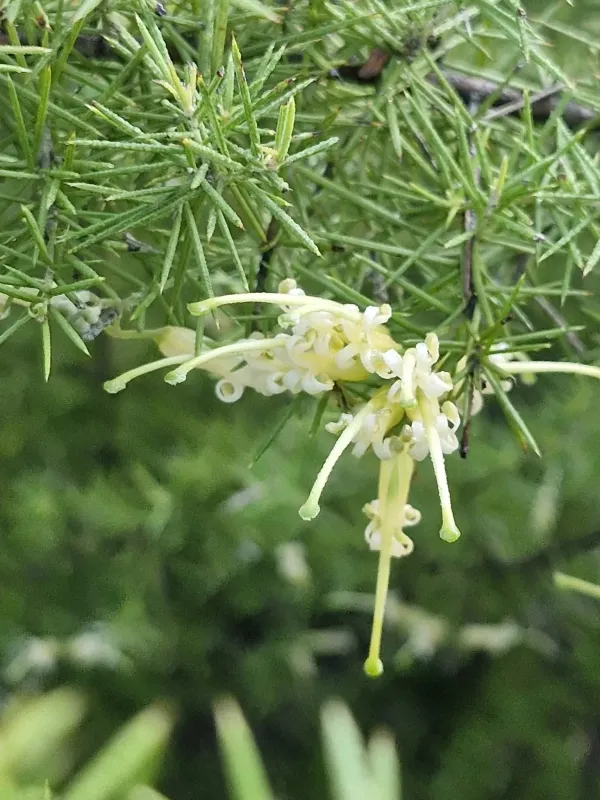
Description
Growing requirements
Grevillea juniperina is a distinctive evergreen shrub belonging to the Proteaceae family, typically originating from the hybrid line between Grevillea juniperina and Grevillea rhyolitica. Native to the Australian landscape, this plant has adapted to thrive in specific environmental niches requiring specialized care.
Botanically, the plant is characterized by its needle-like, rigid leaves and complex, spider-like inflorescences that bloom in various vibrant colors. This morphological structure makes it a highly sought-after plant for exotic garden displays and xeriscaping projects across suitable climates.
The cultivation of this crop demands well-draining, slightly acidic soil. Crucially, the plant is highly sensitive to phosphorus, meaning standard fertilizers are often harmful. Growers must prioritize phosphorus-free, slow-release formulas to ensure healthy root development without causing toxicity.
Regarding climate, the species requires full sun exposure and protection from harsh frost. While it exhibits moderate drought tolerance once established, consistent moisture levels during the active growth phase are essential for maintaining leaf density and preventing premature flower drop.
In terms of agricultural utility, the plant serves primarily as an ornamental specimen in private gardens and public parks. Its nectar-rich flowers play a vital role in supporting local avian species, making it an excellent candidate for ecological landscaping and biodiversity preservation efforts.
Main diseases and pests
Phytophthora root rot remains the most significant threat to the survival of Grevillea specimens. This fungal disease is almost exclusively linked to poor drainage and waterlogged soil conditions, necessitating strict irrigation protocols to avoid permanent root damage and inevitable plant death.
Pests such as scale insects and mealybugs frequently colonize the dense foliage of the plant. These sucking insects weaken the shrub by extracting vital sap, necessitating the use of horticultural oils or targeted systemic insecticides to prevent severe outbreaks during the growing season.
Spider mites can also cause substantial aesthetic and physiological damage, especially in dry, indoor environments or greenhouses. Regular monitoring and the maintenance of optimal humidity levels are key preventative measures to keep these populations under control without relying heavily on chemical intervention.
Sooty mold frequently develops on the foliage as a secondary effect of honeydew secreted by scale insects. While not directly parasitic to the plant, this mold inhibits light absorption and gas exchange, requiring immediate cleaning and pest removal to restore the plant's metabolic health.
Nutrient deficiency, specifically iron or magnesium chlorosis, may occur if the soil pH is not correctly maintained. Careful management of the growing medium is required to ensure the plant can efficiently uptake necessary micronutrients and maintain its characteristic green color.