
Juniper-leaf grevillea
Grevillea juniperina R. Br. x Grevillea lanigera A. Cunn. ex R. Br.
Description
Growing requirements
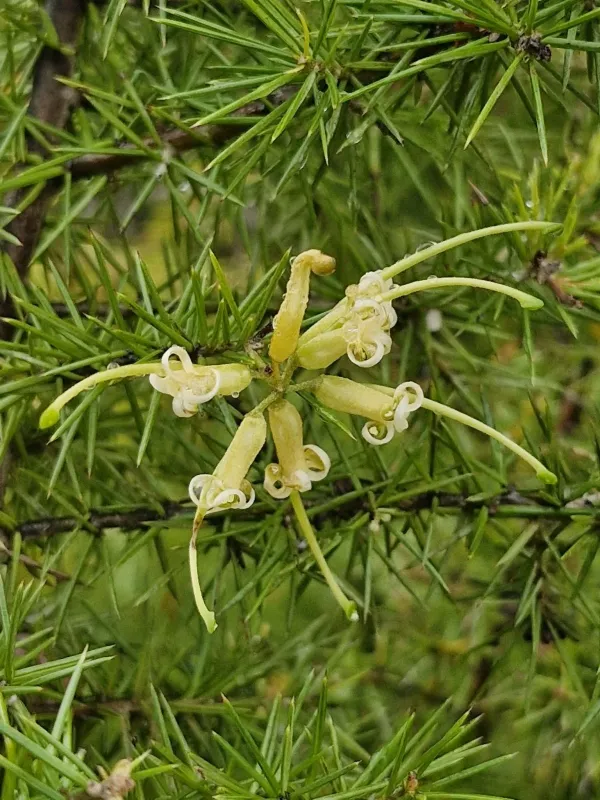
The Juniper-leaf grevillea (Grevillea juniperina x G. lanigera) is an ornamental evergreen shrub belonging to the Proteaceae family. This hybrid is highly prized for its needle-like foliage and vibrant, brush-like flowers that add an exotic touch to gardens.
This crop thrives in sunny locations with full exposure to daylight. While it is quite versatile, it requires optimal sunlight to maintain its dense, compact structure and to ensure prolific flowering throughout the growing season.
Regarding soil requirements, this plant demands well-draining conditions. It is essential to avoid heavy, waterlogged soils. A light, sandy, or gravelly substrate with a neutral to slightly acidic pH is considered ideal for healthy root development.
Climate adaptability is a key feature of this hybrid. It prefers temperate zones with mild winters. In areas prone to heavy frost, container gardening is recommended so the plant can be moved to a protected, frost-free environment during the winter months.
General maintenance includes cautious watering, especially in the first growing season to establish the root system. Once established, it shows moderate drought tolerance, though supplemental water during extreme heat will keep the foliage lush.
Main diseases and pests
Root rot, primarily caused by phytophthora, is the most significant threat to the health of this shrub. This condition is almost always a result of poor soil drainage or excessive irrigation, which damages the sensitive root structure.
Fungal issues, such as gray mold (Botrytis), can develop in poorly ventilated areas with high humidity. Proper spacing between plants and regular pruning to improve airflow within the crown are effective preventive measures.
Insect pests including spider mites and mealybugs can pose a threat, particularly in hot and dry climates. They often colonize the underside of leaves, sapping the plant's vitality and causing stunted growth.
Integrated pest management should be used to control infestations. This includes biological controls or, if necessary, the application of horticultural soaps and oils to manage pest populations without damaging the plant.
Monitoring for signs of stress, such as yellowing leaves or wilting, is crucial for early intervention. Maintaining a clean garden environment by clearing away leaf litter helps prevent the spread of fungal spores and common plant pests.