
Juniper-leaf grevillea
Grevillea juniperina R. Br.
Description
Growing requirements
Juniper-leaf grevillea (Grevillea juniperina) is an evergreen shrub belonging to the Proteaceae family. Native to eastern Australia, this plant has adapted to a wide range of habitats, from open woodland areas to rocky, exposed terrains.
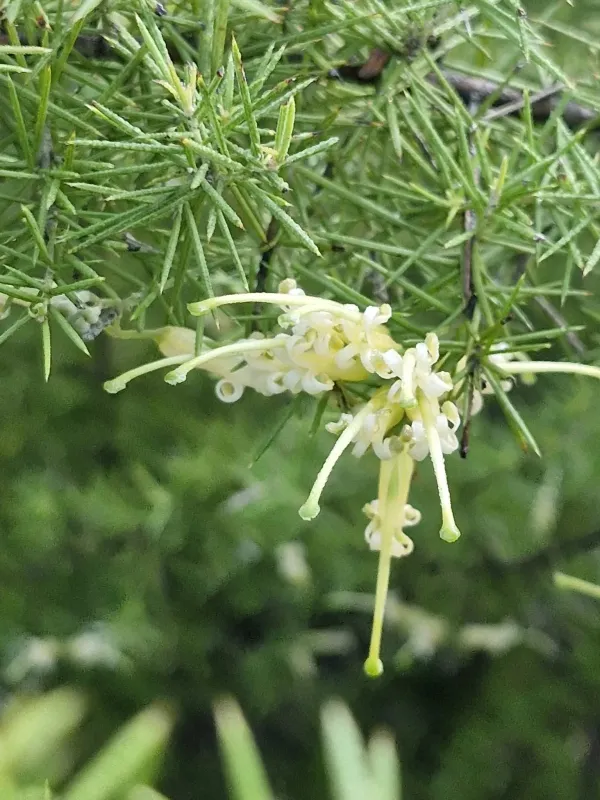
The botanical profile of the plant is distinguished by its needle-like, rigid leaves that resemble juniper foliage, which is the origin of its common name. The flowers are typically arranged in showy, toothbrush-like clusters with colors ranging from deep red to yellow.
Success in cultivating this species depends heavily on providing well-draining soils with a slightly acidic to neutral pH. It is crucial to maintain excellent drainage in the root zone, as the plant is highly susceptible to root rot if soil moisture remains too high.
The plant thrives in full sun or light shade, requiring significant light exposure to maintain dense foliage and support heavy blooming cycles. In colder climates, it is typically treated as a specimen plant that needs protection from severe frost or kept in pots during winter.
General maintenance involves annual pruning immediately after flowering to prevent the plant from becoming leggy. Fertilization should be handled with caution, as this species belongs to a family that generally prefers low-phosphorus soils and can be harmed by standard chemical fertilizers.
Main diseases and pests
The primary threats to this species involve soil-borne fungal pathogens such as Phytophthora, which thrive in waterlogged conditions. Common pests include mealybugs and scale insects, which can weaken the shrub if they colonize the stems or underside of the foliage.