
Grevillea humilis
Grevillea humilis
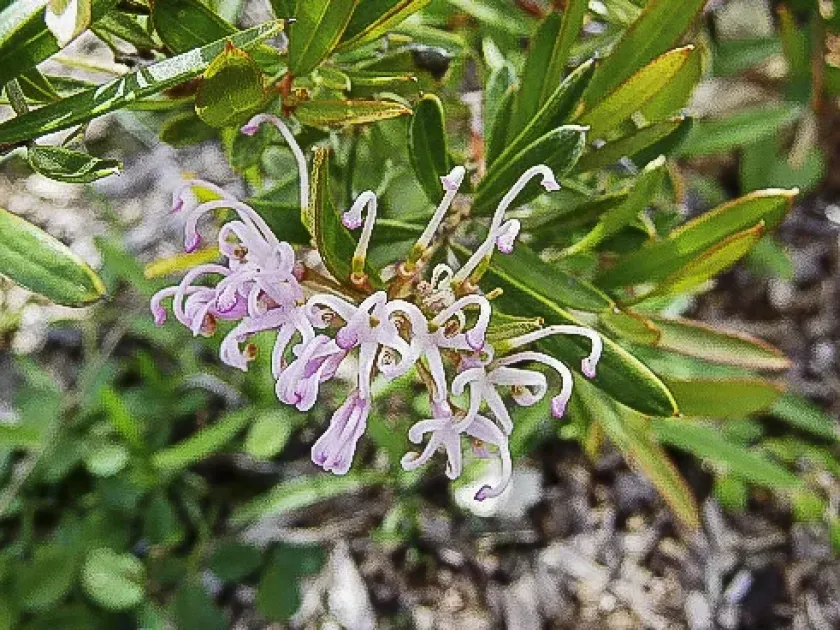
Description
Growing requirements
Grevillea humilis is a distinctive species within the Proteaceae family, native to the southeastern regions of Australia. This low-growing shrub is highly valued for its resilient nature and specialized adaptation to rocky, nutrient-poor landscapes where other species struggle to establish.
Morphologically, the plant presents as a spreading or prostrate shrub with narrow, often serrated or linear leaves. Its unique inflorescences exhibit the classic Grevillea structure, providing a high aesthetic value and serving as a crucial resource for nectar-feeding pollinators in its natural ecosystem.
Cultivation of this species necessitates extremely well-drained, acidic to neutral soils. It is critical to maintain a low phosphorus level in the substrate, as the plant's proteoid roots are highly sensitive to phosphorus toxicity, which can lead to rapid chlorosis or plant decline.
The plant thrives in full sun exposure, requiring at least six hours of direct light daily to maintain its structural integrity and encourage prolific flowering. A site with excellent airflow is essential to prevent the accumulation of humidity, which is often a precursor to common cultivation failures.
Landscape utilization primarily focuses on rock gardens, slopes, and xeriscaping projects. Given its growth habit, Grevillea humilis is effectively used as ground cover to prevent erosion, combining functional utility with its natural, rugged aesthetic appeal.
Main diseases and pests
The most significant pathological threat is root rot caused by Phytophthora species. This soil-borne pathogen thrives in saturated conditions, making proper drainage the single most important factor in the long-term success of the plant.
Pest management should focus on monitoring for sap-sucking insects such as scale insects and mealybugs. These pests can weaken the plant by extracting phloem sap and promoting the growth of sooty mold, which can eventually inhibit the plant's ability to photosynthesize effectively.