
Grevillea
Grevillea formosa x Grevillea banksii
Description
Growing requirements
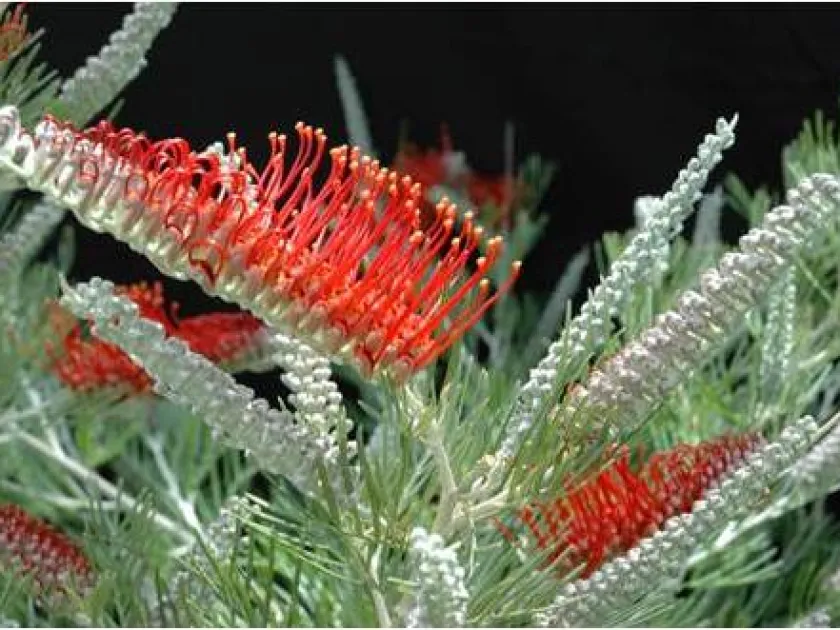
Grevillea (Grevillea formosa x Grevillea banksii) is a beautiful evergreen shrub belonging to the Proteaceae family. This hybrid is highly valued in horticulture for its spectacular foliage and unique flower structures, making it a popular choice for warm climates.
Originating from the diverse landscapes of Australia, the plant is naturally adapted to sunny, well-drained environments. In professional cultivation, it requires locations that offer maximum exposure to natural light to ensure optimal growth and flower production.
Climate requirements include protection from frost, as this specific hybrid is sensitive to low temperatures. Successful cultivation relies on maintaining temperatures within the range of 15°C to 25°C, usually provided by greenhouses or controlled environments in cooler zones.
Soil composition is critical for this species; it requires a well-draining, acidic to slightly acidic substrate with low nutrient content, particularly low phosphorus. The root system is delicate and can be easily damaged by heavy, waterlogged soils.
Irrigation management is essential to prevent root rot. Watering should be deep but infrequent, allowing the soil to dry out between applications. Consistent monitoring of humidity levels is also recommended to maintain plant vitality throughout the growing season.
Main diseases and pests
Root rot, specifically caused by Phytophthora species, is the most severe disease affecting Grevillea. It usually develops in poorly drained soils or during periods of overwatering, leading to rapid decline of the plant.
Pests such as mealybugs and spider mites are common in indoor or greenhouse cultivation. These pests thrive in dry conditions and can cause significant damage to the plant by extracting sap from tender new growth.
Scale insects can also infest the stems and leaves, creating honeydew that promotes sooty mold growth. Regular inspection and early detection are crucial for maintaining the health of the plant throughout the production cycle.
Chemical control should be applied selectively, as some varieties of Grevillea are sensitive to certain pesticides. Integrated pest management (IPM) practices, including the use of neem oil or biological controls, are often preferred.
Proper airflow and spacing within the nursery environment significantly reduce the humidity pockets that favor both fungal development and insect outbreaks, ensuring robust growth and longevity of the crop.