
Grevillea formosa
Grevillea formosa McGill.
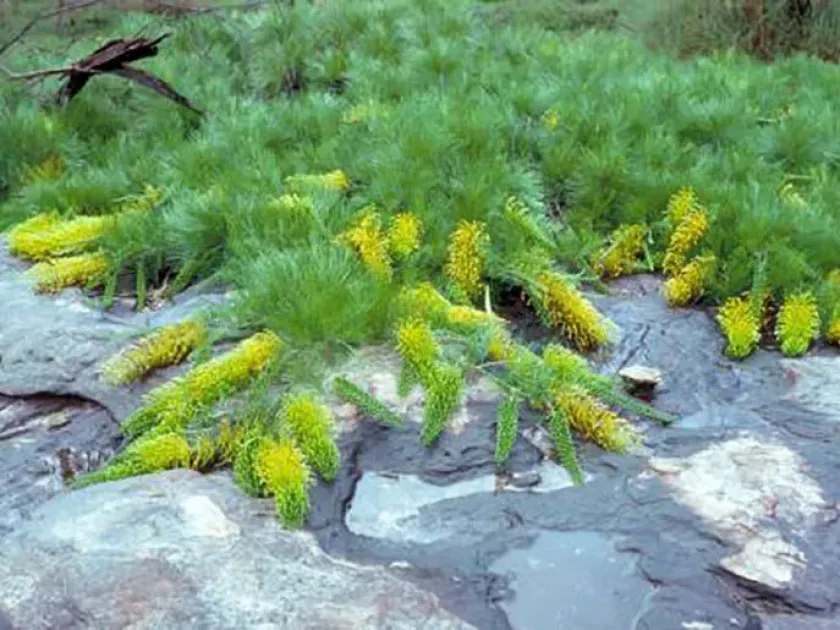
Description
Growing requirements
Grevillea formosa is a distinguished evergreen shrub belonging to the Proteaceae family. Native to regions with specific climatic conditions, this plant is valued for its unique foliage and structure, often cultivated in conservatory settings or warm temperate climates.
The plant thrives in well-lit environments and requires direct sunlight to maintain its physiological health. In agricultural or horticultural settings, it is essential to ensure that the plants are spaced appropriately to facilitate maximum exposure to light and airflow.
Soil requirements are quite specific; the plant demands excellent drainage. A gritty, acidic soil mix that allows for rapid water infiltration is necessary to prevent waterlogging, which the root system cannot tolerate due to its delicate structure.
Climate control is paramount. While it enjoys warmth, excessive heat coupled with humidity can trigger stress. Conversely, it is strictly intolerant to frost, necessitating protective measures if the local climate drops below the plant's thermal threshold.
Watering must be strategic. Applying water sparingly during cooler seasons and increasing frequency only during active growth stages ensures longevity. Always check the moisture levels at the depth of the root ball before adding more water to avoid anaerobic soil conditions.
Main diseases and pests
Root rot, primarily caused by Phytophthora species, remains the most significant threat to Grevillea formosa. This pathogen thrives in moist, poorly drained soils and can devastate an entire crop if strict irrigation management is not maintained.
Pests such as mealybugs and spider mites frequently target the foliage, especially in greenhouse environments where airflow is restricted. Implementing an integrated pest management program, including the use of biological controls or targeted sprays, is recommended.
Nutritional toxicity is a frequent issue in commercial production. Because members of the Proteaceae family are evolved for phosphorus-poor soils, applying high-phosphorus fertilizers can be toxic, leading to severe leaf necrosis and potential plant death.
Mechanical damage during maintenance can expose the plant to opportunistic fungal infections. It is critical to use sterilized cutting tools and provide clean environments during pruning to prevent the introduction of spores into the xylem.
Environmental stress, particularly fluctuating humidity, can weaken the plant's natural defenses, making it more susceptible to secondary infestations. Maintaining stable humidity levels within the growing facility is a key preventative measure against common pests and diseases.