
Goeppertia warszewiczii
Goeppertia warszewiczii
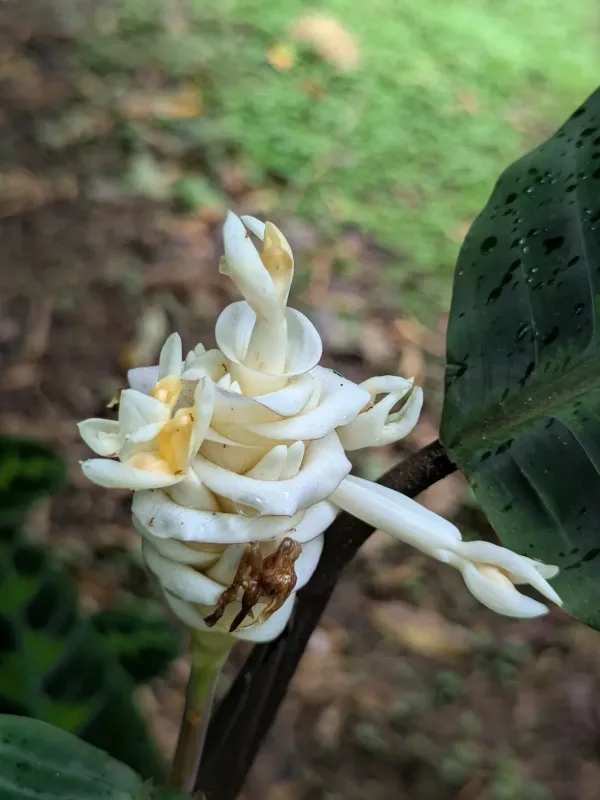
Description
Growing requirements
Goeppertia warszewiczii is a striking perennial herb belonging to the Marantaceae family. It is native to the tropical rainforests of Central and South America, particularly in Costa Rica and Nicaragua, where it thrives in the shady, humid environment of the forest understory.
Botanically, this species is renowned for its velvety, dark green foliage featuring a distinctive feather-like light green pattern along the midrib. The undersides of the leaves exhibit a deep, rich purple color, and the plant is known for its nyctinastic movements, where leaves fold upward at night.
Successful cultivation requires a high-humidity environment, ideally maintained at 70% or above, coupled with a consistent temperature range between 20°C and 25°C. Exposure to cold drafts or significant temperature fluctuations can cause leaf curling and decline in overall plant health.
The optimal growing medium is a well-draining, loose, acidic substrate rich in organic matter, such as peat-based mixes with added perlite or bark. The soil must be kept consistently moist to the touch; however, waterlogging must be strictly avoided to prevent root rot issues.
The primary commercial and domestic use of this plant is as a high-value ornamental crop for indoor landscaping and professional interiors. Due to its aesthetic appeal and structural beauty, it is a staple in botanical collections and high-end greenhouse production facilities.
Main diseases and pests
The most common pests affecting Goeppertia warszewiczii are spider mites and scale insects, which thrive in low-humidity environments. Regular leaf cleaning and monitoring are essential to prevent infestation cycles that could damage the delicate velvety texture of the leaves.
Fungal diseases, including leaf spot and root rot, are typically caused by pathogens like Fusarium or Phytophthora due to improper watering practices. Maintaining good airflow and ensuring the substrate does not stay overly cold or soggy are the best preventative measures for these ailments.