
Goeppertia elliptica
Goeppertia elliptica
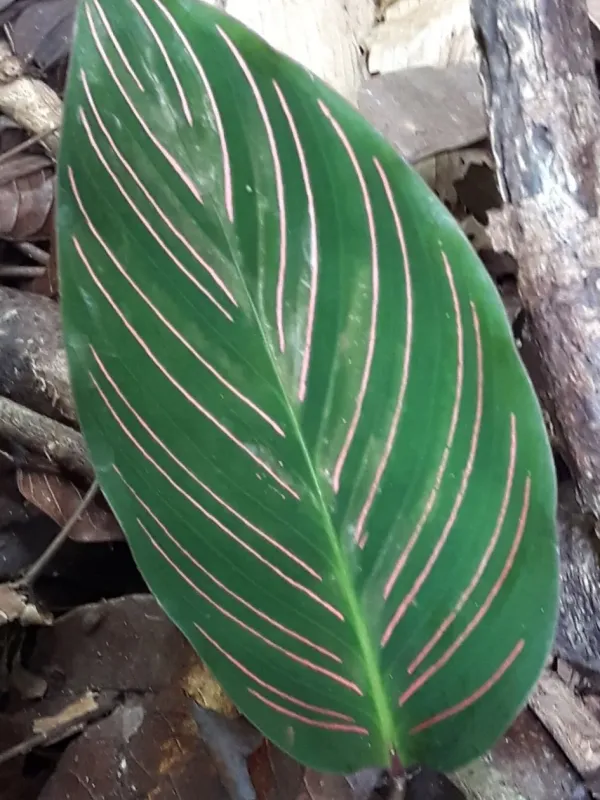
Description
Growing requirements
Goeppertia elliptica belongs to the Marantaceae family. This perennial herb is native to the tropical regions of South and Central America, where it thrives in the understory of dense forests.
The plant requires bright, indirect light to maintain its vibrant foliage coloration. Direct sunlight can scorch the leaves, leading to irreversible damage to the plant's decorative appearance.
Cultivation necessitates a loose, well-draining, and slightly acidic potting mix rich in organic matter. Proper soil aeration is crucial to prevent the root system from suffocating in heavy substrates.
The ideal temperature range for this species is between 20°C and 25°C. As a tropical plant, it cannot tolerate frost or cold drafts, which often result in leaf curling and plant dormancy.
Economically, this plant is cultivated primarily for the ornamental nursery trade. It serves as a popular choice for indoor landscaping, botanical gardens, and interior design projects due to its elegant elliptical leaves.
Main diseases and pests
The most common pests affecting this culture are spider mites and mealybugs, which tend to proliferate in environments with low relative humidity.
Fungal diseases are a significant risk, particularly those caused by overwatering. Root rot is the most frequent result of poor drainage and waterlogged soil conditions.
Preventive care involves maintaining a consistent humidity level and ensuring that the top layer of the substrate dries out slightly between watering sessions.
In case of pest infestations, horticultural oils or systemic insecticides are recommended to control the population before significant damage occurs to the foliage.
Regular sanitation, such as removing yellowing or necrotic leaves, helps to decrease the risk of fungal pathogens and promotes healthier growth cycles for the plant.