
Goeppertia insignis
Goeppertia insignis
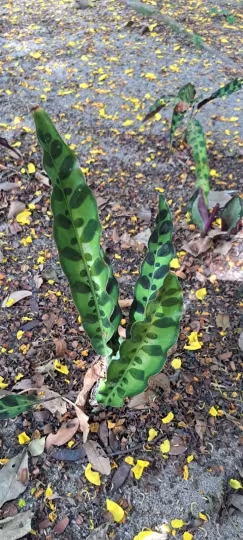
Description
Growing requirements
Goeppertia insignis, formerly classified within the Calathea genus, is a distinguished member of the Marantaceae family. Native to the tropical regions of Brazil, it is commercially valued as an ornamental foliage crop.
The cultivation of this plant requires a stable tropical climate, ideally maintained at temperatures between 20°C and 25°C. Growth is severely stunted if ambient temperatures fall below 15°C, as the plant lacks tolerance for chilling injury or thermal fluctuations.
High relative humidity is a critical requirement for successful commercial production. Growers typically maintain humidity levels above 65% to ensure optimal leaf development and prevent the characteristic curling of the foliage edges often associated with dry air.
Soil management involves utilizing a highly porous, well-draining substrate. The ideal medium is a peat-based mix amended with perlite, coconut coir, and horticultural charcoal, which ensures adequate aeration for the sensitive root system while retaining necessary moisture.
Regarding light exposure, the plant requires bright, filtered light to maintain its vibrant, serrated leaf pattern. Excessive direct sunlight causes phototoxic damage, while insufficient light leads to weakened petioles and reduced structural integrity of the plant.
Main diseases and pests
The primary pest pressures for this crop in controlled environments include spider mites (Tetranychidae) and mealybugs. Integrated pest management (IPM) protocols are necessary to control these populations without damaging the plant's delicate foliage.
Root pathogens, particularly Pythium and Phytophthora, pose significant risks if irrigation management is poor. Overwatering, combined with low light or poor ventilation, creates the ideal anaerobic conditions for these pathogens to thrive and destroy the root system.