
Goeppertia kegeljanii
Goeppertia kegeljanii
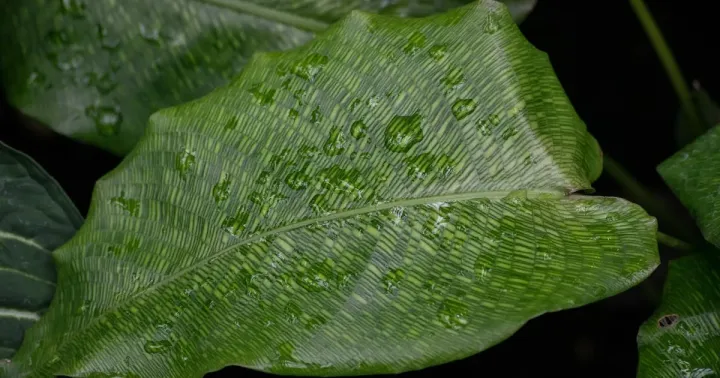
Description
Growing requirements
Goeppertia kegeljanii is a striking ornamental foliage plant belonging to the Marantaceae family. It originates from the tropical rainforests of Brazil, where it thrives in shaded, humid habitats.
The plant requires a stable temperature environment, ideally between 20°C and 25°C. Exposure to sudden temperature drops or cold drafts can significantly stress the plant and affect its development.
The substrate must be well-draining, loose, and rich in organic matter. A mixture of peat moss, perlite, and coniferous bark is highly effective for maintaining the necessary soil acidity and aeration.
Bright, indirect light is essential for the healthy growth of this species. Direct sunlight should be strictly avoided as it can cause bleaching and necrosis of the leaf tissues.
Humidity management is the most critical aspect of care. To replicate its natural forest floor environment, the plant requires frequent misting or the use of an indoor humidifier to maintain humidity above 60%.
Main diseases and pests
Improper irrigation is a major threat, as stagnant water in the root zone leads to rapid onset of root rot. Ensuring the container has adequate drainage holes is mandatory.
Spider mites are the most common pest for this crop, especially in environments with insufficient air moisture. They inhabit the undersides of leaves, causing yellowing and webbing.
Mealybugs can also infest the plant, settling in leaf axils and stems. Regular inspection and localized treatment with insecticidal soaps can manage these populations effectively.
Fungal leaf spots may occur if water remains on the leaves for prolonged periods in a stagnant, unventilated environment.
Maintaining a high standard of sanitation by removing old or damaged foliage helps prevent the spread of diseases and reduces hiding spots for potential insect pests.