
Goeppertia fucata
Goeppertia fucata
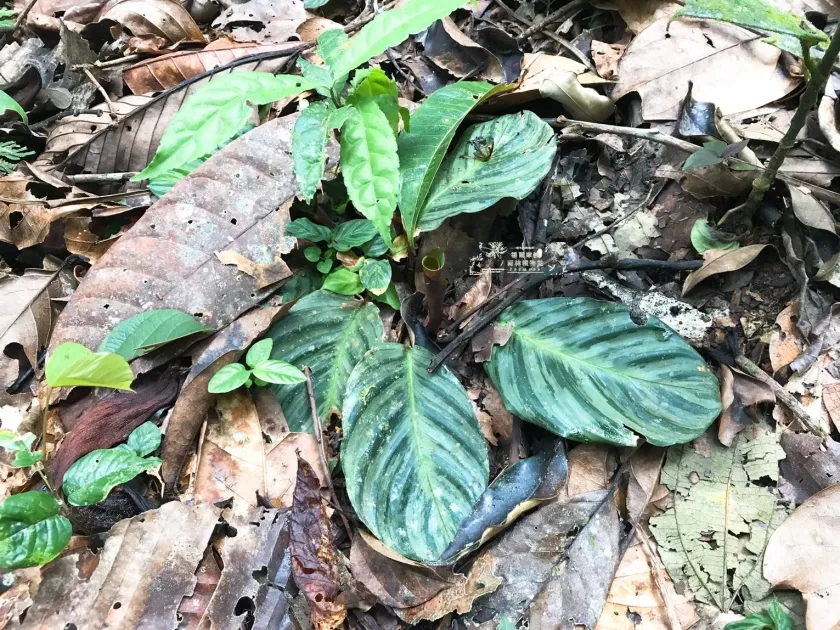
Description
Growing requirements
Goeppertia fucata, a member of the Marantaceae family, is a tropical perennial plant native to the humid forests of South America. It is widely cultivated for its ornamental foliage, which features complex patterns and significant aesthetic value for indoor environments.
Botanically, this species is characterized by its broad, petiolate leaves that exhibit nyctinasty—a daily movement where leaves fold in response to light changes. The plant relies on its rhizomatous root system to store nutrients and propagate under shaded forest conditions.
The cultural requirements are strictly defined by its tropical origin. Optimal growth occurs at temperatures between +20°C and +25°C, with a high demand for humidity levels that rarely drop below 70%. Exposure to cold drafts or dry air leads to rapid degradation of leaf quality.
Soil management involves providing a substrate rich in organic matter, with excellent drainage properties to prevent root suffocation. A slightly acidic pH level (5.5–6.5) is critical for optimal nutrient uptake and general plant health throughout its growth cycle.
The primary horticultural use of Goeppertia fucata is in the commercial production of interior landscaping plants. Beyond its visual appeal, the plant acts as a natural air humidifier, making it a popular choice for professional and residential interior greening projects.
Main diseases and pests
Spider mites are the most common pest associated with this crop, particularly in environments where humidity levels are insufficient. These pests feed on the cellular content of leaves, causing yellowing and eventual necrosis of the foliage if left uncontrolled.
Fungal diseases, including root rot and leaf spot pathogens, are frequently encountered when irrigation management is improper. Overwatering or poor aeration within the container substrate creates a favorable environment for fungal proliferation, which can be devastating to the root system.