
Goeppertia wallisii
Goeppertia wallisii
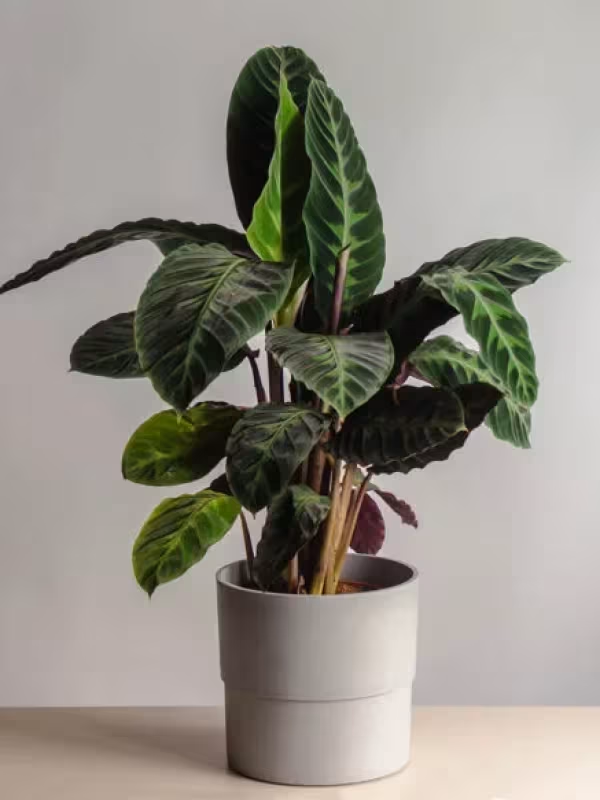
Description
Growing requirements
Goeppertia wallisii, belonging to the Marantaceae family, is a perennial herb originating from the tropical rainforests of Colombia. It is recognized as a high-value ornamental crop within the greenhouse plant industry due to its striking foliage patterns.
The cultural requirements for this species are strict, necessitating high ambient humidity (above 70%) and stable temperatures ranging between 20°C and 25°C. Exposure to drafts or temperatures below 16°C can result in severe physiological stress and leaf necrosis.
Agronomic soil management requires a loose, well-draining substrate with a slightly acidic pH (5.5–6.5). A mixture of peat moss, pine bark, and perlite is generally recommended to provide the necessary structure that supports root development while preventing waterlogging.
Botanically, the species is known for its nyctinastic leaf movements. The leaves feature a distinctive, dark-veined pattern that makes the plant highly attractive for indoor landscaping, requiring diffuse, indirect light to maintain the saturation of the pigment.
In terms of commercial usage, Goeppertia wallisii is produced specifically for the retail houseplant market. Sustainable production involves precise climate control in greenhouses to maximize leaf yield and ornamental quality.
Main diseases and pests
The primary pathological threats to Goeppertia wallisii include root rot induced by Pythium and Phytophthora species, which often arise due to improper irrigation management or poor drainage in the container system.
Spider mites are the most persistent pest threat, particularly in environments where humidity is not strictly maintained. These pests inhabit the undersides of the leaves, causing chlorosis and eventual desiccation of the leaf tissue if left untreated.
Mealybugs can also pose a significant risk, hiding in the leaf axils and stems. These pests weaken the plant by extracting phloem sap, creating honeydew that may lead to secondary fungal growth, such as sooty mold.
Effective plant health management requires a preventative approach, including the regular monitoring of foliage and the maintenance of adequate spacing between plants to ensure sufficient airflow, which prevents the buildup of humidity-dependent pathogens.
Integrated Pest Management (IPM) strategies for this crop often involve a combination of biological controls and the application of selective acaricides or systemic insecticides when infestation levels exceed established economic injury thresholds.