
Goeppertia undulata
Goeppertia undulata
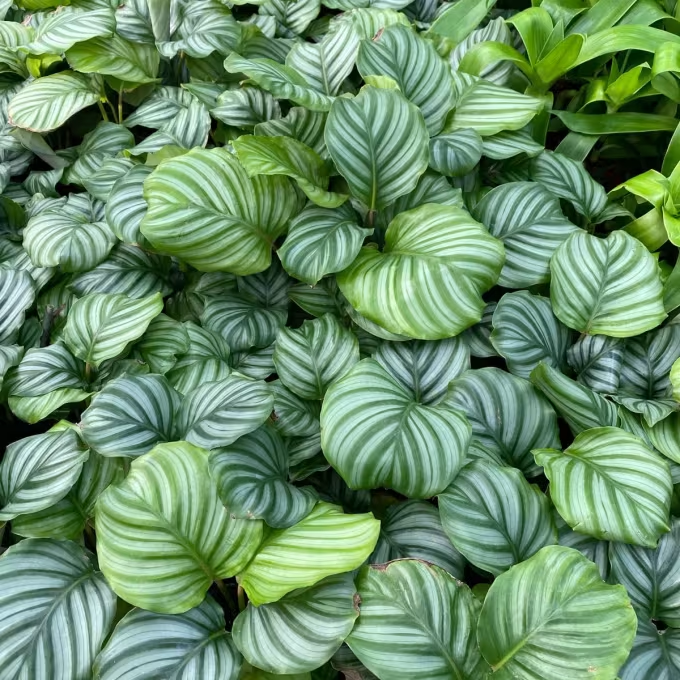
Description
Growing requirements
Goeppertia undulata is a decorative perennial herb belonging to the Marantaceae family. It is widely recognized for its wavy leaf edges and striking foliage patterns, historically being part of the Calathea genus.
Originating from the tropical rainforests of South America, this plant is naturally adapted to shaded, high-humidity environments. In cultivation, it thrives in spaces that simulate its native forest floor conditions.
Botanically, the plant features large, broad leaves that require consistent moisture and indirect lighting to maintain their vibrant coloration and structural integrity.
The ideal growing medium for this species is a well-draining, slightly acidic peat-based potting mix. It is crucial to ensure that the soil remains consistently moist but never waterlogged to prevent root issues.
Goeppertia undulata demands steady temperatures, ideally between 20°C and 25°C. Exposure to sudden temperature drops or cold drafts will negatively impact the plant's growth and may cause foliage yellowing.
Main diseases and pests
The most common pests affecting this plant are spider mites, which typically proliferate in environments with insufficient atmospheric humidity.
Mealybugs and scale insects may also infest the plant, particularly under the leaf surfaces or at the junction of the stems. Routine inspection is essential for early detection.
Fungal root rots represent a significant threat to the health of the plant, often resulting from excessive soil moisture and poor drainage practices in containers.
Foliar spot diseases can occur if water remains on the leaves for extended periods in cooler environments. Good air circulation is necessary to mitigate these risks.
Proper maintenance, including wiping leaves with a damp cloth and avoiding direct sunlight, helps strengthen the plant's resistance against common pests and environmental stressors.