
Glandularia tenera
Glandularia tenera (Spreng.) Cabrera
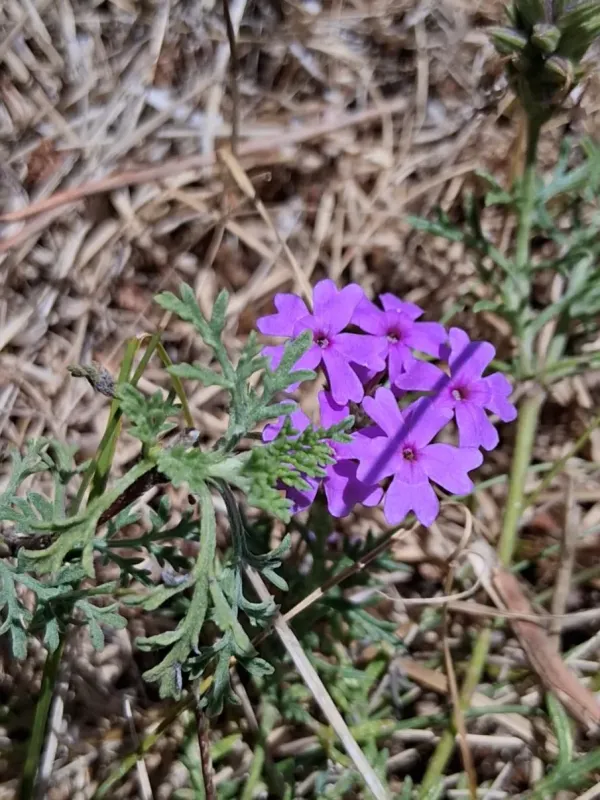
Description
Sowing dates
Glandularia tenera, a member of the Verbenaceae family, is a perennial plant often grown as an annual in various climates. Sowing should begin in late winter or early spring in a warm greenhouse or indoors to ensure strong seedlings before the transplanting season.
Seeds are best sown in a light, well-draining seed-starting mix. Lightly covering the seeds with a fine layer of vermiculite helps maintain the necessary humidity while allowing enough light for germination to occur effectively.
Transplanting into the garden occurs after the risk of frost has passed. Hardening off the seedlings over a period of about ten days is crucial for acclimating the young plants to outdoor conditions and direct sunlight.
When sowing directly outdoors in warmer regions, it is recommended to ensure soil temperatures are consistently above 15 degrees Celsius. Proper spacing of 25–30 cm between plants helps prevent overcrowding and encourages vigorous branch development.
Consistent care during the germination phase is vital. Keeping the substrate moist but not waterlogged promotes healthy root growth and prevents damping-off, a common issue in seedling production.
Growing requirements
This species thrives in full sun, requiring at least six to eight hours of direct light daily for optimal flowering. Locations with partial shade often result in leggy stems and poor blossom production.
The ideal soil is sandy or loamy with a neutral pH. The most important requirement is exceptional drainage; Glandularia tenera will not tolerate "wet feet" and may suffer root rot if the soil is chronically saturated.
Watering should be regular, allowing the top inch of soil to dry out between applications. In containers, ensure that drainage holes are unobstructed to prevent water accumulation at the base of the root ball.
Fertilization with a balanced, slow-release fertilizer is beneficial during the active growth period. Avoid high-nitrogen formulas which encourage excessive leaf growth at the expense of floral development.
Maintenance tasks include pinching back the stems to promote bushier growth and removing spent blooms to encourage continuous flowering throughout the season. This practice also improves air circulation within the plant.
Main diseases and pests
Powdery mildew is the most common fungal threat, typically occurring in environments with high humidity and poor air circulation. Symptoms appear as a white, dusty layer on the foliage, which can eventually stunt the plant.
Root rot, caused by various soil-borne pathogens, is a significant risk in heavy, water-logged soils. Preventing water accumulation and utilizing sterile soil media are the most effective preventive measures.
Aphids are frequent pests that colonize tender stems and new growth. By feeding on plant sap, they weaken the host and can transmit various viral diseases that are difficult to cure once established.
Spider mites represent a challenge during hot and dry summer spells. These tiny pests cause stippling on leaves and can lead to rapid defoliation if left untreated for an extended period.
Managing threats involves regular monitoring of the plants. If an infestation occurs, targeted use of insecticides, miticides, or organic remedies such as neem oil is recommended to mitigate further damage.