
Rose vervain
Glandularia canadensis (L.) Nutt.
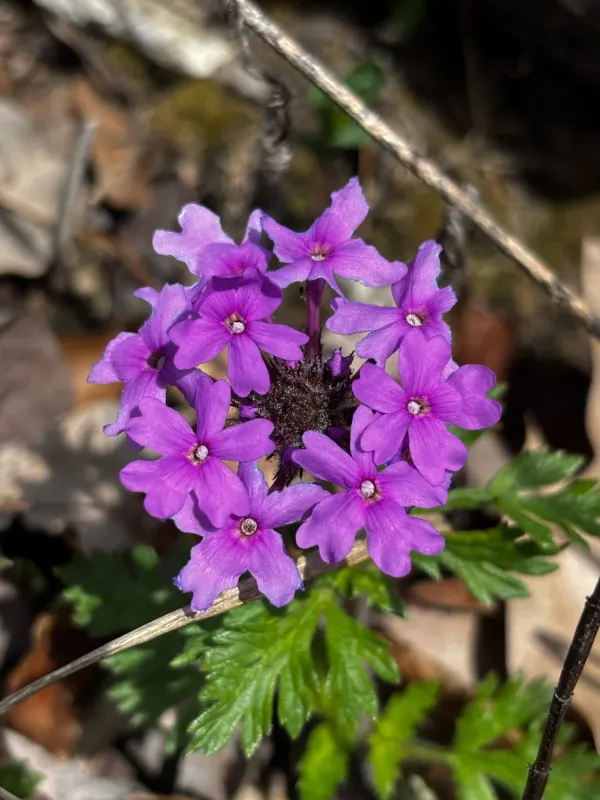
Description
Sowing dates
The propagation of Rose vervain is typically performed by sowing seeds in late winter under controlled greenhouse conditions to ensure early spring planting.
Seeds require a period of cold stratification for optimal germination rates, which simulates natural seasonal transitions and breaks seed dormancy effectively.
Once seedlings have developed several true leaves, they should be hardened off outdoors before final transplantation into the prepared garden beds.
Direct seeding in temperate climates is possible in mid-spring, provided the soil has reached an adequate temperature and is free from frost risks.
Spacing should be managed carefully, ensuring each plant has enough room to spread, as Glandularia canadensis is known for its vigorous growth habit.
Growing requirements
Glandularia canadensis, belonging to the Verbenaceae family, is a herbaceous perennial native to North America, widely appreciated for its decorative value.
The crop thrives in full sun exposure and requires well-drained soil types to prevent moisture-related physiological disorders during the growing season.
It demonstrates remarkable drought tolerance once established, making it a sustainable choice for landscapes that do not require intensive water management.
Optimal growth is observed in sandy or loamy soils with moderate fertility; excessive nitrogen fertilization should be avoided to prevent rank foliage growth.
Regular deadheading of spent flowers can promote a secondary flush of blooms, maintaining the aesthetic appeal of the plant throughout the entire summer.
Main diseases and pests
Powdery mildew is the most prevalent fungal threat to this species, particularly in environments characterized by high humidity and poor air circulation.
Root rot pathogens may occur if the crop is cultivated in heavy, waterlogged soils, necessitating the use of raised beds or improved drainage systems.
Aphids and spider mites are the primary insect pests, capable of causing significant damage to the plant's succulent foliage and developing floral buds.
Integrated pest management strategies should be prioritized, focusing on early detection and the use of botanical or synthetic insecticides when necessary.
Maintaining proper spacing between individual plants is the most effective cultural practice to mitigate the risk of disease spread and pest infestation.