
Verbena hybrida
Glandularia x hybrida (hort. ex Groenl. & Rümpler) G. L. Nesom & Pruski
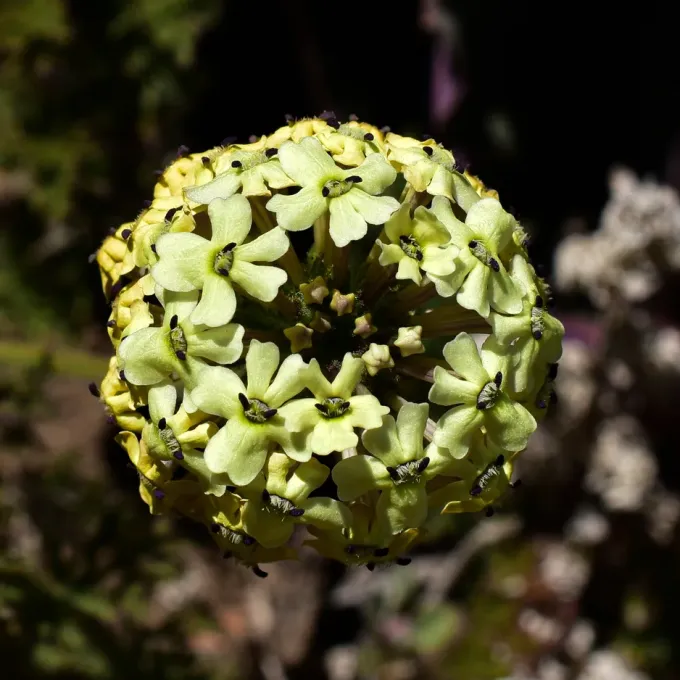
Description
Sowing dates
Verbena hybrida is a popular ornamental plant typically cultivated as an annual in cooler climates. The propagation process starts indoors in late winter, usually February or March, to ensure a strong root system before spring.
The seeds require careful handling and stratification to improve germination rates. They should be sown on the surface of a moist, well-draining soil mix and covered lightly, keeping the environment humid with a plastic cover.
Seedlings should be pricked out into individual pots once they develop their first set of true leaves. Consistent temperature and adequate lighting are crucial at this stage to prevent the plants from becoming leggy and weak.
Transplanting into the garden occurs only after the final frost has passed. Planting in late May or early June ensures the soil is warm enough to facilitate rapid establishment of the root systems in the new environment.
Spacing the plants about 20 to 30 centimeters apart is recommended to promote proper air circulation, which is vital for maintaining the health and vigor of the verbena beds.
Growing requirements
As a member of the Verbenaceae family, this hybrid thrives in full sun, requiring at least six to eight hours of direct light daily. Its origin lies in the crossing of several South American species, which dictates its preference for warmth.
The soil must be fertile and exceptionally well-drained, as the plant is highly sensitive to waterlogged conditions. Adding organic matter or sand can improve soil structure and prevent root rot in heavy garden soils.
Optimal temperature for growth ranges between 20°C and 25°C. Verbena is relatively heat-tolerant but needs consistent hydration; however, it is essential to avoid overhead watering to protect the delicate blooms.
Maintenance involves regular deadheading of spent flowers to encourage continuous blooming throughout the summer months. This simple horticultural practice keeps the plants looking tidy and redirects energy into new bud production.
Fertilization with a balanced, slow-release fertilizer is beneficial during the active growing season. It is advisable to avoid excessive nitrogen, which promotes lush foliage at the expense of floral display.
Main diseases and pests
Powdery mildew is the most common disease affecting verbena, appearing as a white, dusty fungal growth on leaves. It thrives in high humidity and poor air circulation, necessitating prompt treatment with appropriate fungicides.
Root rot is a significant threat caused by overwatering or poorly drained substrate. The most effective way to prevent this is by ensuring that the soil dries out slightly between watering intervals.
Pests such as aphids and spider mites can colonize the foliage during hot, dry spells. Regular inspection is required, and infestations should be treated with insecticidal soaps or systemic pesticides as soon as they are spotted.
Thrips may also cause damage to the buds and leaves, often leading to distorted growth patterns. Monitoring and early intervention are essential to maintain the decorative quality of the plants.
Maintaining proper plant density and providing adequate sunlight and ventilation are the primary defense strategies against most biological threats, significantly reducing the need for chemical applications.