
Glandularia peruviana
Glandularia peruviana (L.) Small
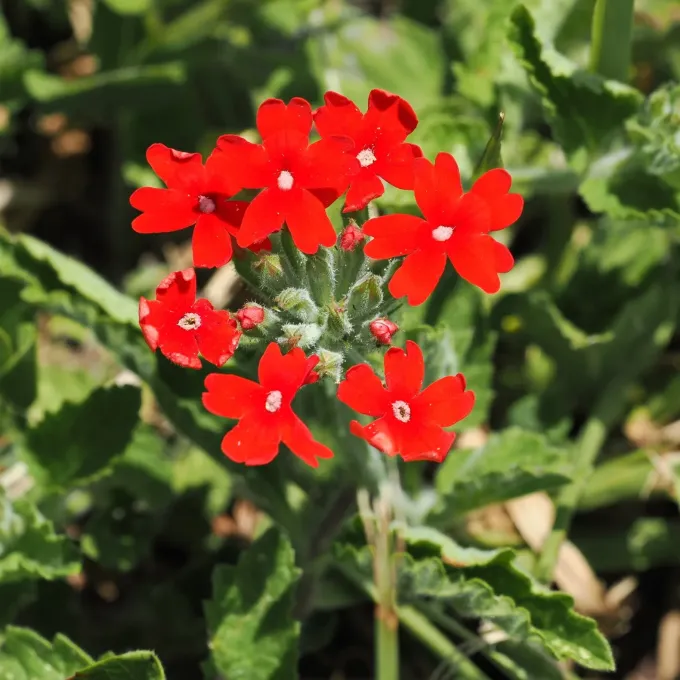
Description
Sowing dates
Sowing Glandularia peruviana seeds usually takes place in late winter to early spring. Starting indoors is highly recommended to ensure the plants have enough time to establish before the warmer months arrive.
The seeds require consistent warmth to germinate effectively. Maintaining a temperature around 20-22 degrees Celsius in a bright location will provide the best environment for early stage development.
Transplanting seedlings into individual pots once they develop true leaves helps in building a robust root system. This step is crucial for successful establishment after final planting outdoors.
Hardening off the plants is a necessary practice before transferring them to the garden. Gradually introducing them to outdoor conditions prevents transplant shock and encourages sturdier stems.
Planting in the garden should be done when the risk of frost has completely passed. Spacing plants adequately ensures proper airflow, which is vital for the long-term health of the species.
Growing requirements
Glandularia peruviana thrives in full sun, making it an excellent choice for south-facing borders or open garden beds. Limited light will result in leggy plants and reduced flower production.
The ideal soil for this plant is well-drained and slightly alkaline or neutral. Heavy, clay-based soils should be amended with sand or organic matter to improve drainage and aeration.
Watering requirements are moderate; the plant prefers its soil to dry slightly between waterings. Drought tolerance is a notable trait, but steady moisture is preferred during the peak blooming season.
Regular fertilization with balanced nutrients promotes continuous flowering throughout the summer. Avoiding high nitrogen levels is important to prevent excessive vegetative growth at the expense of blossoms.
Maintenance tasks include occasional deadheading of faded flowers to encourage new growth. Keeping the area free of weeds ensures that the plant does not compete for essential nutrients.
Main diseases and pests
Powdery mildew is a significant threat during periods of high humidity or poor ventilation. Increasing plant spacing and ensuring good airflow are primary methods for preventing this disease.
Aphids can cause stress to the plant by feeding on tender new growth. Infestations can often be managed with insecticidal soap or by introducing natural predators into the garden area.
Spider mites might appear during hot and dry spells, leading to speckled foliage. Regular misting and keeping the plants well-hydrated can deter these small pests effectively.
Root rot is almost always associated with poor drainage and excessive watering. Preventing waterlogged conditions is the best way to avoid fungal infections affecting the roots.
Various fungal pathogens may occasionally impact the plant if environmental conditions are suboptimal. Integrated pest management strategies are suggested to maintain plant health throughout the season.