
Glandularia bipinnatifida
Glandularia bipinnatifida (Nutt.) Nutt.
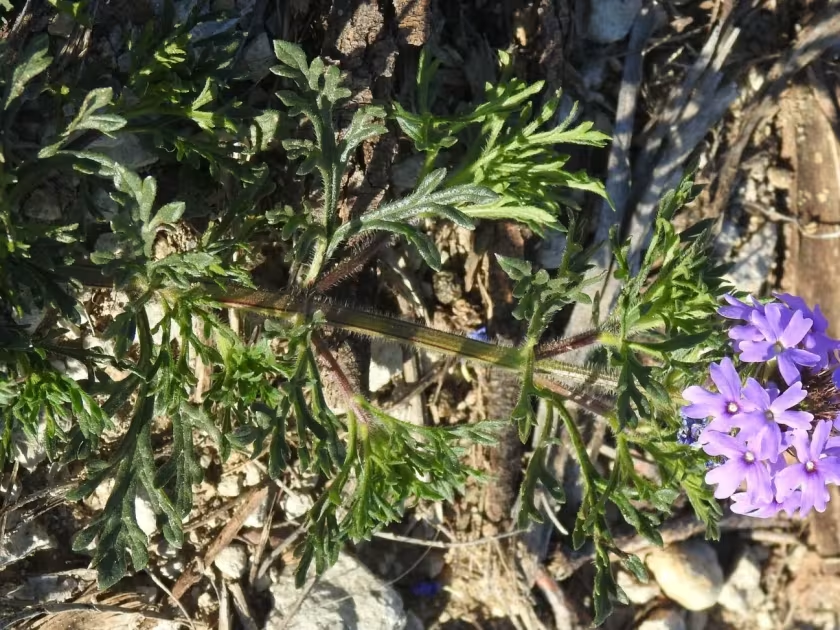
Description
Sowing dates
Glandularia bipinnatifida, often known as Dakota mock vervain, is a perennial flowering plant from the Verbenaceae family. It is widely valued in landscaping for its hardiness and ability to thrive in challenging environments.
Seed sowing for transplants should be started in late winter or early spring. The seeds require a light, well-draining starting mix and should not be covered too deeply, as they need light to germinate efficiently.
Transplanting into the garden occurs once the danger of frost has passed. Early summer is generally the ideal window for establishing young plants, ensuring they have enough time to root before the peak heat arrives.
When sowing directly into the soil, space seeds carefully at a shallow depth of about 0.5 cm. Maintaining a distance of 25–30 cm between plants is essential for ensuring healthy growth and proper air circulation.
Because the seeds have a naturally hard coating, a brief period of cold stratification can often increase germination rates, leading to more uniform and vigorous seedlings for your landscape design.
Growing requirements
Full sun is a critical requirement for this species. It demands at least 6–8 hours of direct sunlight daily to produce vibrant, dense flowering displays and maintain its compact, sprawling growth habit.
The plant excels in sandy or rocky, well-drained soils. It is highly intolerant of heavy, waterlogged clay, which can lead to rapid root decay, especially during the wetter periods of the year.
Drought tolerance is one of its primary agricultural advantages. Once established, the root system is capable of sustaining the plant through prolonged dry spells without the need for supplemental irrigation.
While the plant does not require heavy fertilization, a balanced, low-nitrogen liquid fertilizer applied sparingly during the active growing season can enhance overall vitality and extend the flowering window.
Proper soil pH for this culture is generally neutral to slightly alkaline. In areas with naturally acidic soil, the addition of amendments such as agricultural lime can help optimize growing conditions.
Main diseases and pests
Powdery mildew is the most common fungal issue, particularly when plants are grown in overcrowded conditions with poor airflow. Maintaining proper spacing is the most effective preventative measure.
Aphids and spider mites are typical pests that target the soft foliage during hot, dry weather. Regular monitoring and the application of neem oil or insecticidal soap can keep populations under control.
Root rot, caused by overwatering or poor drainage, remains the most significant threat to the plant's survival. Always ensure the planting site is elevated or properly graded to shed excess moisture.
Whiteflies can occasionally pose a threat in greenhouses or humid garden microclimates. Managing these pests requires vigilance and the use of targeted biological controls or appropriate organic insecticides.
Good sanitation practices, including the removal of dead foliage at the end of the season, significantly reduce the risk of overwintering pathogens and help maintain a healthy garden environment.
Harvesting
As an ornamental crop, the harvest process is primarily focused on collecting seeds for propagation. Seeds should be gathered once the calyces turn brown and dry out on the stems.
Carefully collect the seed heads and finish drying them in a cool, dark, and well-ventilated area. Properly dried seeds should be stored in breathable containers to ensure high germination rates for future planting.