
Glandularia corymbosa
Glandularia corymbosa (Ruiz & Pav.) N. O’Leary & P. Peralta
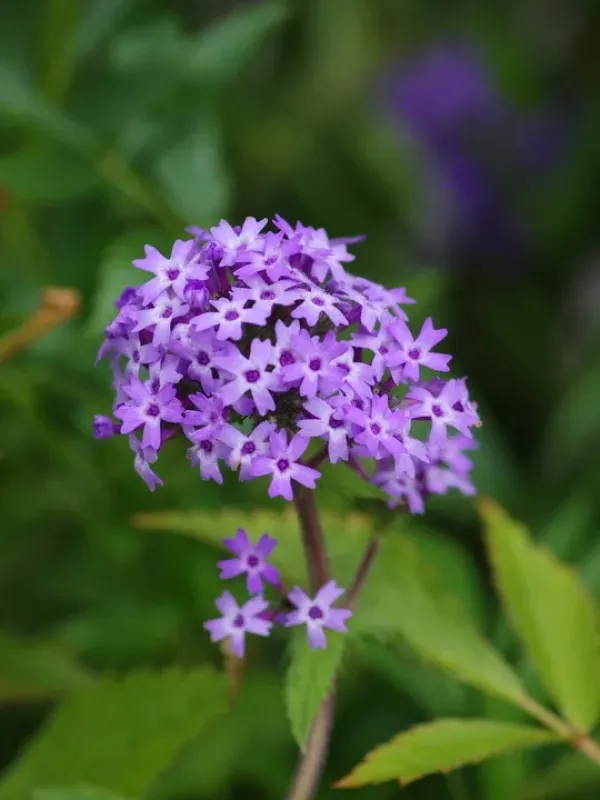
Description
Sowing dates
Glandularia corymbosa is a herbaceous perennial belonging to the Verbenaceae family. In agricultural practices, it is typically propagated through seeds or cuttings to maintain high crop quality and genetic uniformity.
Seeds require stratification to break dormancy and ensure high germination rates. Sowing is usually initiated in late winter in indoor trays or greenhouses to give the plant sufficient time to establish before the frost-free season begins.
Seedlings are transplanted into open fields once the soil temperature is adequate and the danger of frost has passed. Proper plant spacing is critical to ensure sufficient airflow, which helps prevent various moisture-related issues during the growth cycle.
Vegetative propagation via cuttings is a common method for faster establishment. Cuttings taken in late summer should be placed in well-aerated media to encourage rapid root development before the transition into the dormancy phase.
The establishment phase requires careful weed management. Young plants are sensitive to competition, so keeping the area clean is essential for the crop to reach its full vegetative potential early in the season.
Growing requirements
Native to South America, Glandularia corymbosa is highly adapted to sunny environments. It requires full sunlight to thrive and produce its signature inflorescences, making site selection a primary factor for success.
Well-draining, fertile soil is a mandatory requirement for this crop. It is highly intolerant of waterlogged conditions, which can lead to rapid root decay; therefore, amending heavy soils with sand or organic material is recommended.
While the plant exhibits moderate drought tolerance once established, consistent soil moisture is needed during the active growth stages. Irrigation management must be balanced to provide enough water for growth without inducing fungal proliferation.
Fertilization should be focused on providing balanced nutrients. An overabundance of nitrogen tends to encourage excessive foliage growth at the expense of flower development, so precise application is necessary.
The climate requirements include moderate temperatures. In regions with harsh winters, Glandularia corymbosa may need protection or be treated as an annual to ensure the economic viability of the agricultural operation.
Main diseases and pests
The primary fungal threat to the crop is powdery mildew, particularly in environments with poor air circulation or high humidity. Managing plant density and using preventative fungicides are effective mitigation strategies.
Root rot is a major risk associated with soil saturation. Ensuring excellent drainage and avoiding over-irrigation are the most effective ways to prevent pathogen buildup in the rhizosphere.
Aphids and spider mites are the most significant insect pests. They sap the vigor of the plant by feeding on leaves and stems, which may necessitate the use of targeted systemic insecticides during heavy infestations.
Nematode infestations can occur in contaminated soil, making soil preparation and pre-planting testing important. Rotation cycles should be strictly followed to reduce the prevalence of soil-borne pests.
Regular field scouting is essential to identify early signs of stress or pest damage. Early intervention often prevents the need for large-scale chemical applications and protects the overall health of the crop.