
Glandularia aristigera
Glandularia aristigera (S. Moore) Tronc.
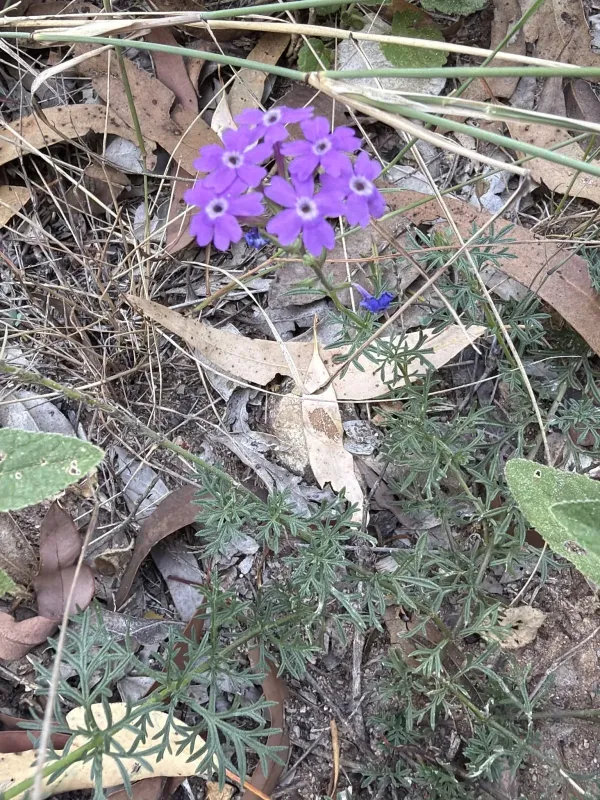
Description
Sowing dates
Sowing seeds of Glandularia aristigera is typically performed in late winter or early spring to prepare seedlings for the growing season. This ensures the plant has sufficient time to mature before being transplanted outdoors.
The seeds require stratification to improve germination rates. They should be sown on the surface of a light substrate, as they need sunlight to germinate properly. Proper moisture control is essential to prevent seedling rot.
The temperature during germination should be maintained between 20–22 degrees Celsius. It is crucial to monitor soil moisture levels, as overwatering can be devastating for these delicate young plants during their early development.
Seedlings are transplanted into open ground only after all risks of frost have passed. Glandularia is highly sensitive to cold weather, and early planting in cold soil can severely stunt its future growth and vigor.
To develop robust seedlings, growers often use artificial supplemental lighting. This prevents the stems from becoming leggy and promotes a stronger, more compact root structure which is vital for plant resilience.
Growing requirements
Glandularia aristigera, a member of the Verbenaceae family, is a light-loving plant that thrives in full sun. To achieve the best flowering results, it requires consistent sun exposure throughout the day.
The plant has specific soil requirements, preferring well-drained sandy or loamy soils. It cannot tolerate waterlogged conditions, which can quickly lead to root rot and other physiological stressors for the plant.
The crop is highly drought-tolerant, meaning that moderate watering is sufficient. It is better to allow the soil to dry out slightly between waterings than to keep it constantly moist, which can compromise the root system.
Given its sensitivity to cold, it is typically grown as an annual in most temperate regions. In warmer climates, it can be maintained as a perennial if protected from extreme weather fluctuations during dormant periods.
Regular fertilization with balanced mineral nutrients, specifically focusing on potassium and phosphorus, supports abundant blooming. These nutrients are essential for sustaining the plant's decorative appeal throughout the growing season.
Main diseases and pests
Fungal infections are the most significant threat to Glandularia, particularly in humid environments. Powdery mildew can rapidly affect leaves and stems, especially if the planting density is too high for proper air circulation.
Pests such as spider mites and aphids commonly target the plant during hot, dry periods. They pierce the tissues to feed on plant sap, which leads to stunted growth, discoloration, and overall weakening of the plant.
Effective management involves the use of systemic insecticides and fungicides when signs of infestation appear. Early detection is crucial to prevent the pest population from reaching levels that damage the entire crop.
Root rot is a common issue resulting from poor drainage or improper irrigation practices. Maintaining an environment with excellent water runoff is the best preventive measure against the development of lethal soil-borne pathogens.
Routine maintenance, including the removal of dead blossoms and pruning damaged branches, is necessary. This practice improves airflow within the foliage and reduces the likelihood of favorable conditions for disease outbreaks.