
Glandularia elegans
Glandularia elegans (Kunth) Umber
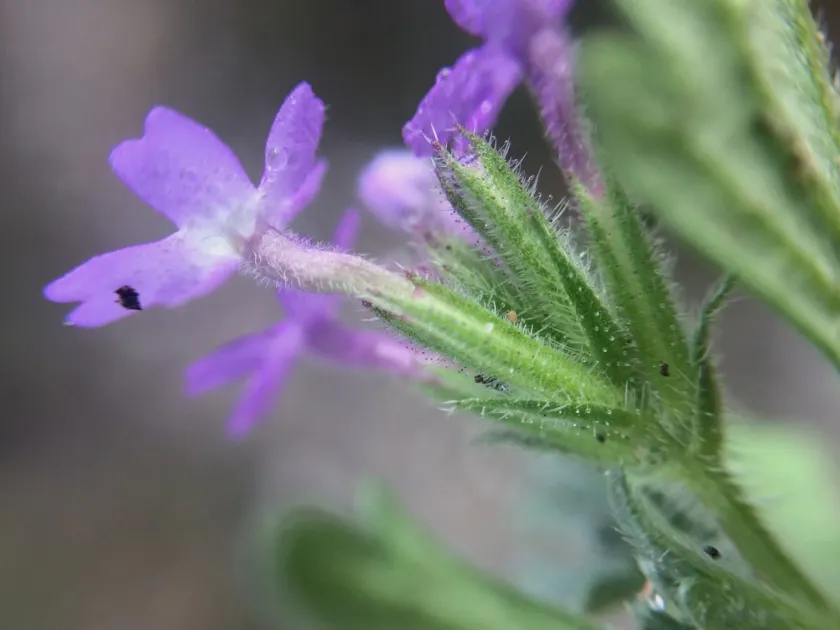
Description
Sowing dates
Glandularia elegans, belonging to the Verbenaceae family, is a decorative crop that requires specific propagation techniques to ensure healthy growth. Seeds should be sown indoors in late winter, ideally February or March, into a sterile, well-draining seed-starting mix.
Maintaining a constant soil temperature of approximately 20–22 degrees Celsius is crucial for germination. Light is essential for the emerging seedlings; therefore, placing the containers under grow lights or on a sunny windowsill prevents etiolation.
Once the first pair of true leaves appears, seedlings are transplanted into individual pots to avoid competition for nutrients. This process strengthens the root system and prepares the plants for the eventual move outdoors.
Hardening off the seedlings over a ten-day period is a necessary step before final planting. This gradual exposure to cooler temperatures and direct sunlight ensures that the plant adapts well to the field environment.
Direct seeding in the garden can be done only after all risk of frost has passed. However, transplanting established seedlings remains the most reliable method for ensuring early and vigorous flowering.
Growing requirements
Glandularia elegans thrives in full sun conditions, requiring at least six hours of direct sunlight daily to produce abundant blossoms. Insufficient light results in weak, leggy stems and reduced floral production.
The crop demands a well-drained soil structure, preferably sandy loam with a neutral pH. If the garden soil is heavy clay, the addition of organic compost and horticultural grit is highly recommended to improve aeration.
Watering practices should be balanced; while the plant can withstand short periods of dryness, it performs best with consistent soil moisture. Overwatering should be strictly avoided to prevent root diseases.
Regular fertilization with a balanced liquid fertilizer, high in phosphorus, encourages continuous blooming throughout the growing season. Applying nutrients every 14 days is standard for maintaining high decorative quality.
The plant demonstrates good heat tolerance, but it requires protection from strong winds that can break brittle stems. Applying a thin layer of mulch around the base helps maintain moisture and suppresses weeds.
Main diseases and pests
Powdery mildew is the most frequent fungal issue encountered, especially during periods of high humidity and poor air circulation. Improving plant spacing is the primary method for disease prevention.
Root rot, caused by various soil-borne pathogens, can quickly destroy a crop if the soil remains waterlogged. Proper drainage and cautious irrigation are the most effective cultural control measures against this threat.
Aphids pose a significant threat during the spring, colonizing the undersides of leaves and sucking sap. Early detection and the use of insecticidal soaps or neem oil help manage these pest populations effectively.
Spider mites can become problematic during hot, dry spells, causing yellowing and stippling on the leaves. Increasing local humidity and applying specific miticides, when necessary, can control outbreaks.
General field sanitation is essential for managing threats. Removing infected plant debris and controlling nearby weeds reduces the risk of pest and disease transmission to the crop.