
Glandularia subincana
Glandularia subincana Tronc.
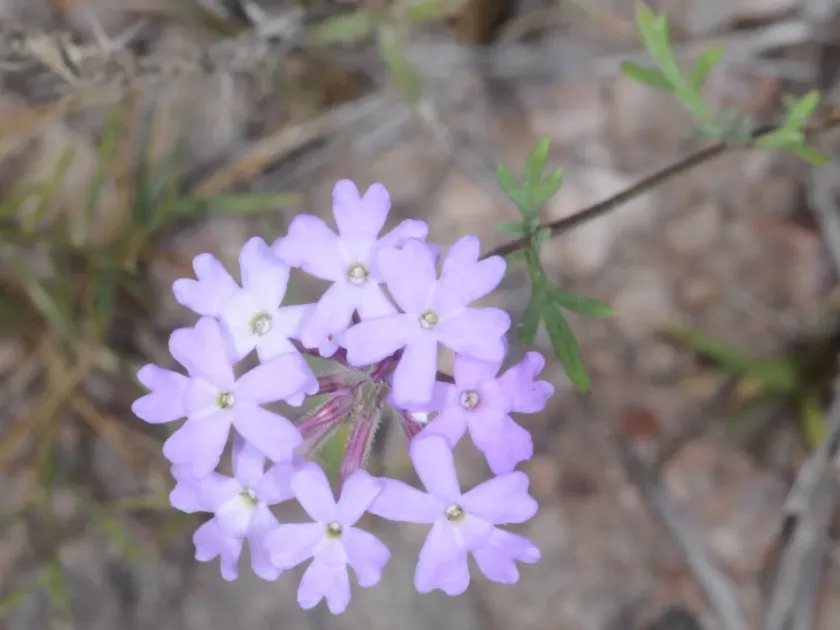
Description
Growing requirements
Glandularia subincana is a member of the Verbenaceae family, known for its attractive inflorescences and growth habits. It is native to South American regions, specifically Argentina, where it thrives in diverse open terrains and temperate to subtropical climates.
This crop requires well-drained soil to prevent root issues, as it is sensitive to waterlogging. The ideal soil profile is a loamy or sandy mix with neutral pH levels, which ensures that roots can breathe and absorb nutrients efficiently during the intense growth phase.
Climatic requirements focus on high sun exposure, which is necessary for vigorous growth and abundant blooming. While the plant can tolerate moderate drought, it performs best in regions with steady, moderate temperatures, typically ranging from 20°C to 25°C throughout the season.
Agricultural management involves regular weeding and light soil cultivation to improve moisture retention without damaging the shallow root system. Proper spacing is crucial to prevent moisture buildup and to ensure that each plant receives adequate ventilation.
Glandularia subincana is primarily utilized in horticulture and landscape design. It is frequently selected for ground cover purposes, as well as for decorative borders in gardens due to its spreading habit and high aesthetic appeal as a flowering ground plant.
Main diseases and pests
Powdery mildew represents the most frequent fungal threat, especially in humid environments or in areas with poor air circulation. It appears as a white, dusty coating on the leaves and can significantly impact the plant's photosynthetic capacity.
Insect pests such as aphids and spider mites are common adversaries. These insects cluster on tender shoots and leaf undersides, causing discoloration and stunted growth. Frequent monitoring is the best strategy to manage these pest populations effectively.
Root rot, typically caused by Pythium and Phytophthora species, is a major risk associated with excessive soil moisture. Once root rot takes hold, the plant becomes difficult to save, making irrigation control the most vital preventive measure.
Integrated pest management (IPM) practices, including the use of both biological controls and targeted chemical treatments, are recommended for large-scale or high-value cultivation to maintain plant health and prevent the spread of diseases.
Finally, ensuring optimal nutritional balance is key to resilience. Over-fertilization with nitrogen can lead to lush but succulent growth, which in turn becomes highly attractive to pests, making balanced fertilization an essential part of the agricultural program.