
Alocasia cuprea
Alocasia cuprea K. Koch
Description
Growing requirements
Alocasia cuprea, known as the copper plant, is a striking member of the Araceae family, native to the tropical rainforests of Borneo, where it thrives in the understory of dense forests.
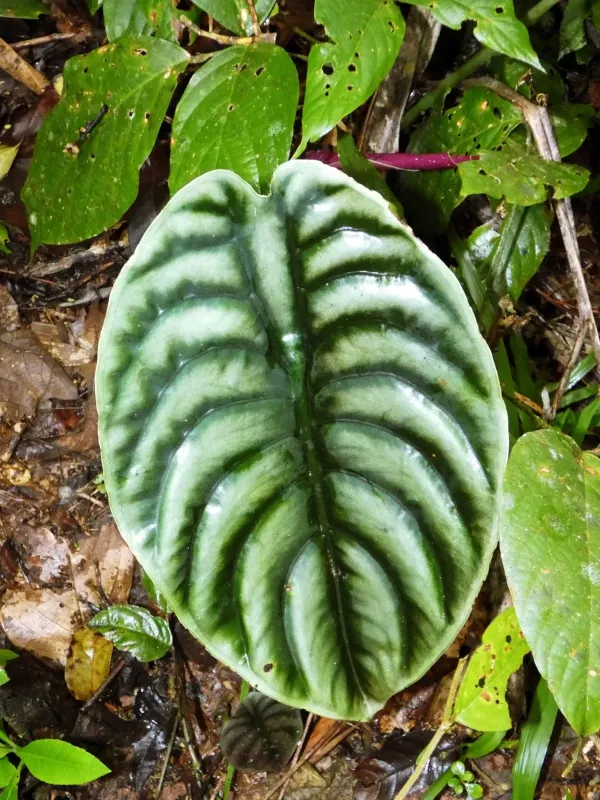
The plant is highly prized for its iridescent, metallic, heart-shaped leaves that showcase a deep copper color, making it a sought-after specimen for indoor gardeners and collectors.
For optimal development, this culture requires a warm, humid environment with temperatures constantly maintained between 22°C and 28°C to mimic its native tropical habitat.
The soil substrate must be highly porous and well-draining, consisting of a mix of peat moss, pine bark, and perlite to ensure the root system is adequately oxygenated.
Bright, indirect light is essential for the plant to maintain its unique foliage coloration, as low light conditions may cause the leaves to lose their vivid metallic sheen.
Main diseases and pests
Spider mites are the most common pests for Alocasia cuprea, often appearing when the ambient humidity is too low for the plant's needs.
Root rot is a significant threat to the health of the culture, typically caused by overwatering or the use of heavy, water-retentive soils that prevent the roots from breathing.
Fungal infections such as leaf spot can occur if there is poor air circulation and excessive moisture sitting on the foliage for extended periods.
Effective management includes regular monitoring of the leaves, maintaining high humidity, and applying specialized fungicides or insecticides when pest or disease pressure is detected.
Maintaining a clean growing environment and avoiding stagnant water around the root base is crucial to keeping this tropical species healthy and disease-free.