
Alocasia cucullata
Alocasia cucullata (Lour.) G. Don
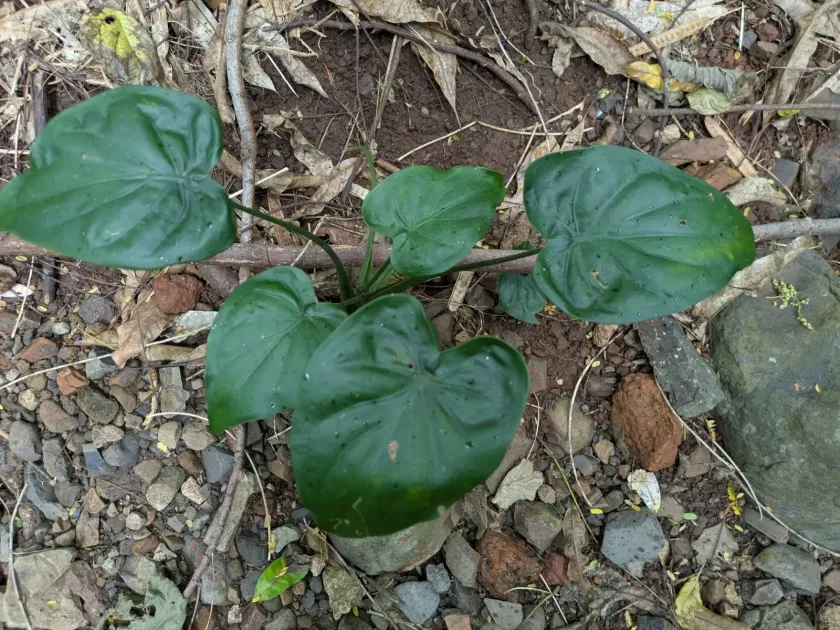
Description
Growing requirements
Alocasia cucullata, commonly known as the hooded dwarf alocasia, is a perennial herbaceous plant belonging to the Araceae family. Native to tropical regions of Southeast Asia, it is well-adapted to high-humidity environments and forest understories with filtered light.
The cultivation of this crop requires constant temperatures, ideally between 20°C and 28°C. Exposure to cold drafts or temperatures dropping significantly below 18°C can cause physiological stress, leading to a dormancy period or susceptibility to rot.
Proper soil management is essential for this species. It thrives in well-aerated, porous, and moisture-retentive substrates with a slightly acidic pH. The inclusion of organic matter, such as peat or coco coir, mixed with perlite, is recommended for optimal root development.
Water requirements are significant during the growing season. The soil must remain consistently moist but never waterlogged. Professional growers often utilize automated irrigation systems to ensure uniform moisture levels without saturating the root zone.
High relative humidity, ideally above 60%, is necessary to prevent leaf tip burn and ensure healthy growth. In greenhouse settings, maintaining this humidity level is a critical agronomic factor for achieving consistent aesthetic quality in plant production.
Main diseases and pests
Spider mites are a primary concern for Alocasia cucullata, especially in environments with insufficient air circulation. Periodic monitoring and the use of integrated pest management (IPM) strategies, including biological controls or acaricides, are necessary for prevention.
Root rot, often caused by Pythium or Phytophthora species, is the most destructive disease for this plant. It is primarily triggered by poor drainage and excessive irrigation, necessitating strict adherence to watering protocols and substrate sterilization.
Mealybugs can infest the succulent stems and leaf axils, causing stunted growth and leaf distortion. Early detection and manual removal, supplemented by systemic insecticides, are standard practices to keep populations under control.
Leaf spot diseases, which present as necrotic patches on foliage, can spread rapidly in crowded greenhouse conditions. Ensuring proper plant spacing and maintaining excellent ventilation significantly reduces the risk of fungal and bacterial outbreaks.
Maintaining high hygiene standards in the production area, including the regular removal of plant debris, is vital to prevent the establishment of pests and pathogens. Healthy, well-fertilized plants show significantly higher resistance to environmental threats.