
Alocasia brisbanensis x Alocasia odora
Alocasia brisbanensis x Alocasia odora
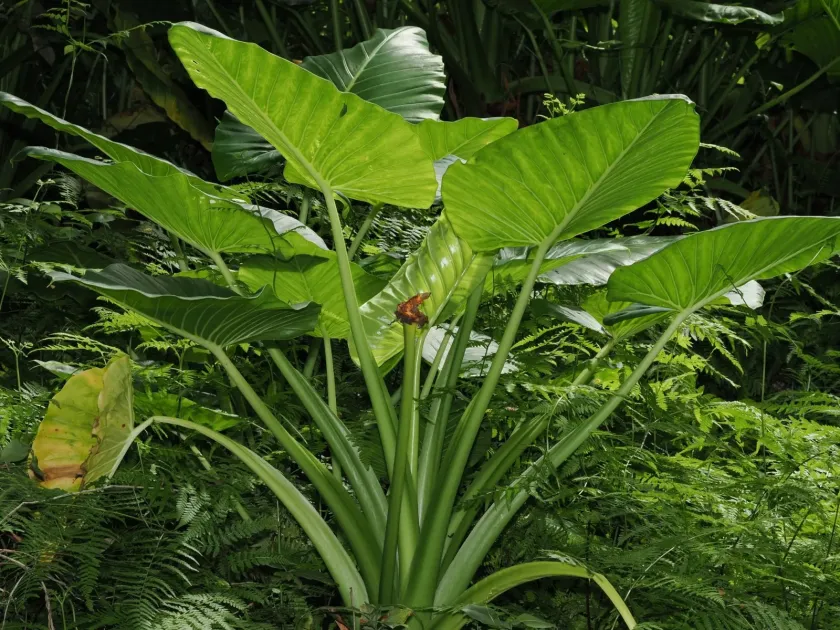
Description
Growing requirements
Alocasia brisbanensis x Alocasia odora is a robust hybrid of the Araceae family, highly valued for its imposing foliage and structural presence. By crossing the Australian Alocasia brisbanensis with the fragrant Alocasia odora, the resulting plant exhibits improved vigor and adaptability for greenhouse and ornamental indoor environments.
The culture thrives in bright, indirect light conditions. Direct sunlight, especially in high-intensity climates, can cause severe dehydration and leaf scorch, necessitating the use of shade cloth or filtered lighting in commercial greenhouse settings.
Soil management requires a highly porous and aerated substrate. The ideal growing medium should be based on high-quality peat moss, mixed with pine bark, perlite, and a small percentage of charcoal to promote drainage and prevent root asphyxiation during the growth cycle.
Temperature control is essential for optimal physiological activity. Maintaining a temperature range between 22°C and 27°C is recommended. Exposure to temperatures below 15°C should be strictly avoided to prevent dormancy and the breakdown of cellular structures in the rhizome.
This hybrid is primarily utilized in landscaping within tropical climates and as a premium decorative foliage plant for professional interiors, botanical gardens, and conservatories where high humidity can be effectively maintained.
Main diseases and pests
The most significant pathological threat to this plant is the onset of root and stem rots caused by Erwinia species and Phytophthora. These conditions are almost exclusively linked to overwatering and inadequate soil drainage in poorly managed environments.
Insect pests, specifically spider mites and mealybugs, are frequent challengers, particularly in controlled environments with low relative humidity. Integrated pest management (IPM) practices, including biological control or targeted acaricides, are necessary to prevent infestations from compromising the plant's health.
Foliar diseases, such as leaf spot, are often secondary infections resulting from high humidity combined with poor airflow. Maintaining adequate ventilation in the grow space is a critical preventive measure to keep foliage dry and healthy.
Personnel handling this crop must be aware that the plant contains calcium oxalate crystals. Personal protective equipment, such as gloves and eyewear, is mandatory during pruning and propagation tasks to prevent skin and mucosal irritation.
Overall plant vitality is best supported by a balanced fertilization program rich in micronutrients and consistent monitoring of soil moisture levels, which ultimately creates a hostile environment for most opportunistic pathogens and pests.