
Chinese gentian
Gentiana sino-ornata Balf. f.
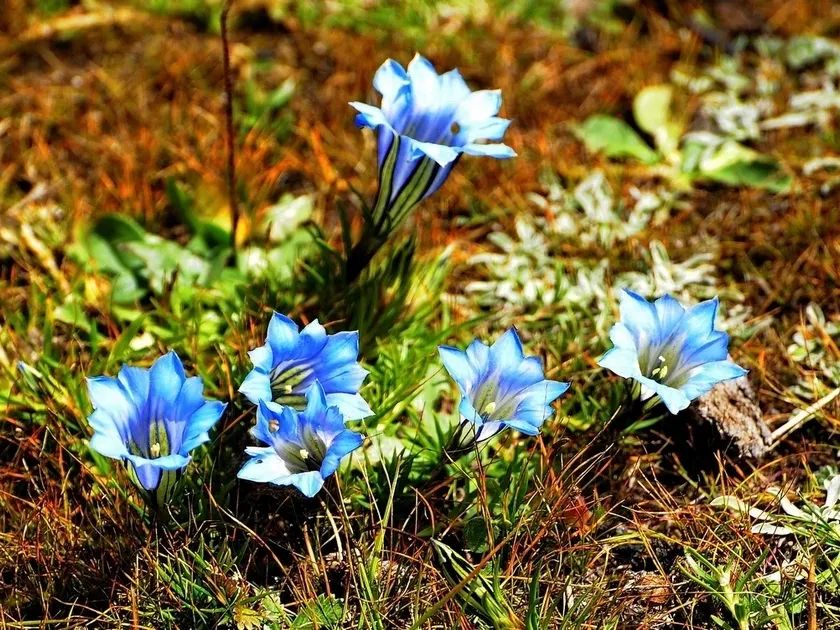
Description
Sowing dates
Sowing seeds of Gentiana sino-ornata should be done in late autumn, allowing the seeds to undergo natural stratification, which is critical for successful germination.
When sowing indoors, containers must be kept in a cold environment at temperatures between 1°C and 5°C for at least two months to break seed dormancy.
The seeds are extremely small and should be sown on the surface of the growing medium, only lightly pressed, as they require light to germinate effectively.
Once the seedlings develop their first true leaves, they can be carefully pricked out and transplanted into individual pots to strengthen their root systems.
Spring planting into the garden should only take place once the soil has warmed up and the risk of harsh frost has passed, ensuring steady growth conditions.
Growing requirements
As a member of the Gentianaceae family, this species requires specific growing conditions that mimic its natural habitat in the mountainous regions of China.
The primary requirement for this culture is acidic soil with a pH between 4.5 and 5.5; it is strictly lime-hating and will show signs of decline in neutral soils.
The planting site must offer excellent drainage, as the roots are highly susceptible to rot if subjected to waterlogged conditions during the winter months.
While the plant enjoys a sunny location, it performs best when protected from the intense heat of the afternoon sun, which can cause dehydration.
Cool, moist air is ideal for the health of the plant, making it a perfect choice for specialized rock gardens and well-maintained alpine landscape designs.
Main diseases and pests
Slugs and snails are the most significant pests for the Chinese gentian, frequently causing extensive damage to the foliage and young flower buds.
Root rot is a common pathological issue often caused by poor soil drainage, leading to the rapid decay of the plant's vascular system in wet weather.
Chlorosis, manifesting as yellowing leaves, is a physiological disorder occurring when the soil pH is too high, preventing the uptake of essential nutrients.
Aphids can occasionally colonize the plants during dry spells, which may require manual removal or the application of organic insecticidal soaps.
Maintaining a clean garden environment and preventing overcrowding around the plants helps to mitigate the risk of fungal infections and pest outbreaks.