
Crested gentian
Gentiana septemfida Pall.
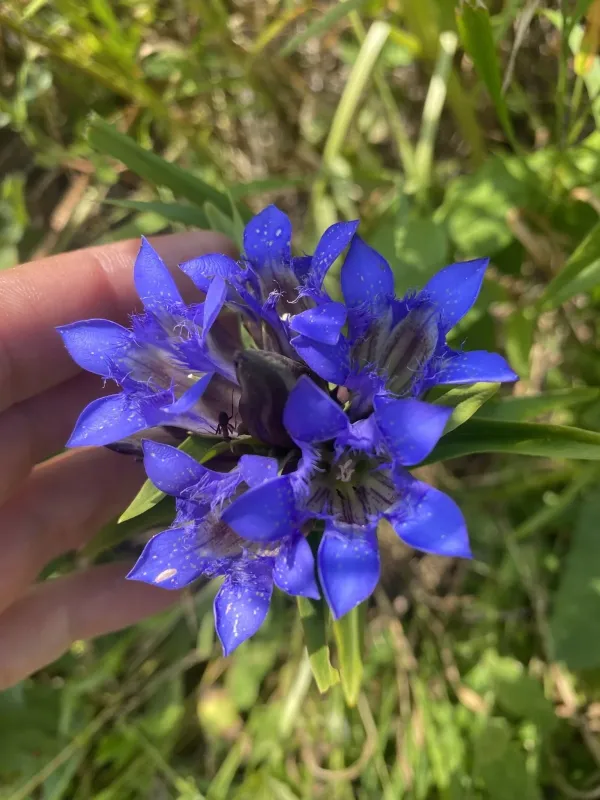
Description
Sowing dates
Sowing seeds of Gentiana septemfida is typically performed in late autumn or early winter in outdoor beds or containers. This species requires a cold stratification period to break seed dormancy and ensure successful germination.
If sowing in the spring, seeds should undergo artificial stratification by placing them in a refrigerator at 0 to +4 degrees Celsius for 6–8 weeks. After this period, they are surface-sown on a moist substrate, as the seeds need light to germinate.
The potting medium must be light, well-draining, and gritty, ideally mixed with fine sand or perlite. Maintaining constant moisture levels is critical until the seedlings appear, which usually happens within a month.
Pricking out seedlings should be done carefully once the first two true leaves emerge. Since the gentian has a very delicate root system, it is advisable to transplant using the root ball transfer method to minimize shock.
Young plants should be spaced approximately 20–30 centimeters apart to allow enough room for growth. Spring or early autumn is the ideal time to transplant them into their permanent location in the garden.
Growing requirements
Crested gentian (Gentiana septemfida) is a perennial herbaceous plant belonging to the Gentianaceae family. Originally from the mountain regions of the Caucasus and Asia Minor, it is highly valued for its striking, deep blue bell-shaped flowers.
The plant thrives in cool, moist, and well-drained environments. While it prefers sunny locations, it can tolerate partial shade, especially in warmer climates where protection from intense afternoon sun is essential for plant health.
The soil should be loose and humus-rich with a neutral to slightly acidic pH level. Good drainage is non-negotiable; in heavy soils, it is recommended to add a substantial layer of gravel at the bottom of the planting hole.
Regular watering is necessary, especially during the active growth and flowering phases. The soil should remain consistently moist but never waterlogged, as poor drainage is the primary cause of root rot in this species.
This gentian is notably winter-hardy and requires little protection in temperate regions. However, applying a light organic mulch around the base of the plant helps retain soil moisture and protects the roots from extreme temperature fluctuations.
Main diseases and pests
The most common health issues for Gentiana septemfida are fungal infections, particularly grey mold or leaf spots, caused by poor air circulation or excessive moisture. Pruning infected foliage immediately is the best preventative measure.
In humid conditions, fungal spots may appear on the foliage. To mitigate these risks, it is essential to ensure adequate spacing between plants and avoid overhead watering, which can keep leaves wet for too long.
Slugs and snails are the most prominent pests, frequently attacking tender foliage and budding flowers. Implementing physical barriers or using non-toxic slug pellets can effectively manage these populations during wet seasons.
Aphids may occasionally target the tips of young shoots, causing stunted growth or leaf distortion. If an infestation occurs, treating the plants with an appropriate insecticidal soap or horticultural oil can resolve the issue effectively.
Maintaining a clean garden bed by removing weeds and debris significantly reduces the habitat for pests and pathogens. Regular monitoring is the key to keeping your gentian patch vibrant and disease-free throughout the summer.