
Rough gentian
Gentiana scabra x Gentiana septemfida
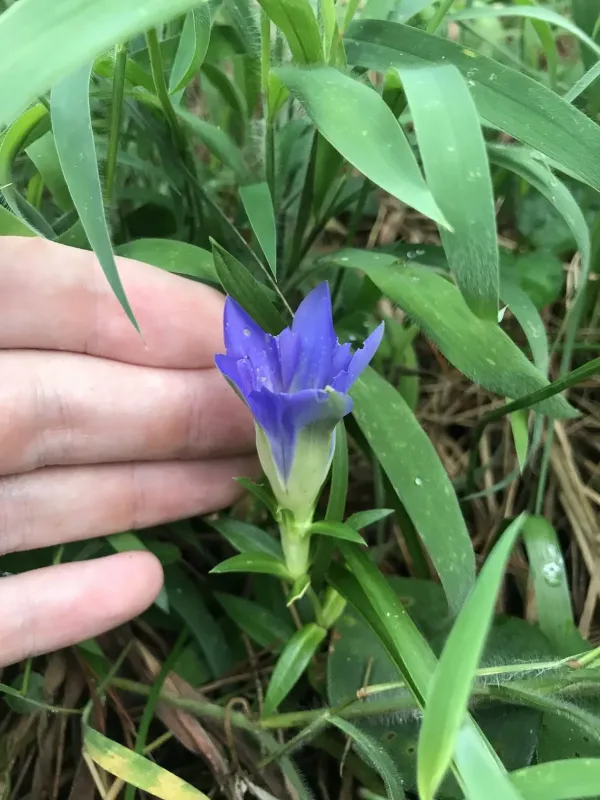
Description
Sowing dates
Rough gentian is a perennial herbaceous plant belonging to the Gentianaceae family. As a cross between Gentiana scabra and Gentiana septemfida, this cultivar is valued for its hardiness and medicinal properties, specifically in traditional pharmacopeia.
Sowing should be performed using cold stratification techniques to ensure high germination rates. Seeds are typically sown in late autumn or early spring after being kept in a refrigerated environment for several weeks to break dormancy.
The seeds are minute and require surface sowing on a moist, sterile seed-starting mix. Light is essential for germination, so the seeds should not be covered deeply; a light dusting of fine sand is sufficient to keep them in place while allowing light penetration.
Vegetative propagation is achieved through crown division. This is the preferred method for maintaining the characteristics of the hybrid and ensuring the establishment of robust plants that will mature within a single growing season.
Transplanting seedlings to the field requires careful handling of the taproot to prevent stress. Spacing should be maintained at roughly 30 cm apart to allow for proper airflow and root system expansion.
Growing requirements
This crop thrives in well-drained, fertile soil with a slightly acidic to neutral pH. Proper soil structure is paramount, as the plant is highly susceptible to root rot if the growing medium remains waterlogged for extended periods.
While the plant can tolerate full sun in cooler climates, partial shade is highly recommended in regions with intense heat. The foliage tends to scorch under excessive UV exposure, which can significantly reduce the photosynthetic capacity of the plant.
Consistent moisture levels must be maintained during the peak growing months. However, the soil should never be allowed to become saturated, as oxygen deprivation in the root zone is a leading cause of crop failure.
Rough gentian is known for its excellent cold tolerance. Once established, the root system can survive harsh winters, making it a reliable perennial in temperate agricultural zones without the need for complex protective measures.
Fertilization should focus on potassium-rich inputs, which support stem rigidity and overall plant vigor. Excessive nitrogen application is discouraged, as it encourages succulent growth that is more prone to disease and pest infestation.
Main diseases and pests
Fungal diseases are the primary threat to Gentiana crops, particularly gray mold and various leaf spot pathogens. These diseases are exacerbated by high humidity and poor air circulation within the plant canopy.
Slugs and snails are major pests that target young, succulent foliage. Integrated pest management strategies, such as the use of physical barriers or targeted molluscicides, are essential to prevent significant stand thinning during the early development stages.
Aphids can cause substantial damage to buds and young leaves, leading to stunted development and vectoring viral infections. Regular field inspections are necessary to apply control measures before the population reaches an economic threshold.
Root and crown rots are often difficult to detect until the plant exhibits irreversible wilting. Prevention through proper irrigation management and the selection of well-drained planting sites remains the most effective control strategy.
Proper sanitation, including the removal of dead or infected plant debris during the autumn cleanup, helps to reduce the inoculum levels of pathogens that could persist and infect the following year's crop.