
Hybrid Gentian
Gentiana pneumonanthe x Gentiana triflora
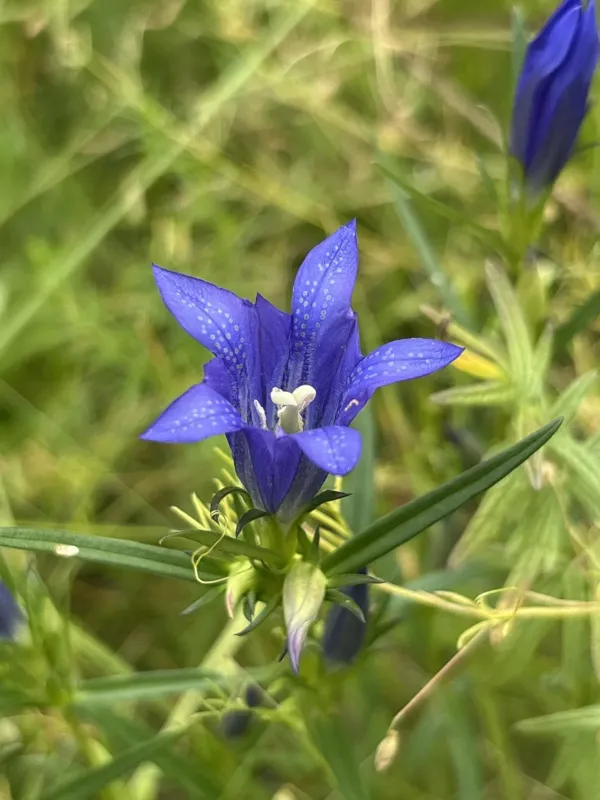
Description
Sowing dates
Sowing hybrid gentian seeds is best done in late autumn or early winter to allow for natural cold stratification, which is critical for breaking seed dormancy. Containers should be kept outdoors where they can be exposed to freezing temperatures.
If sowing in the spring, seeds require artificial stratification in a refrigerator at 2–5 degrees Celsius for at least two to three months. The seeds are very small and should be surface-sown on a moist, light substrate without covering them with soil.
Germination is often slow and irregular, requiring constant monitoring of humidity levels. Utilizing a fine mist sprayer helps maintain moisture without washing away or drowning the delicate seeds.
Seedlings should be pricked out and transplanted into individual pots once they reach a size that allows for safe handling. Extra care must be taken with the taproot, as it is susceptible to breakage during transplanting.
Vegetative propagation via division is another reliable method, usually performed during the dormant season. The root system must be kept intact with as much soil as possible to reduce transplant shock and ensure rapid establishment.
Growing requirements
Hybrid gentians thrive in cool, moist, and acidic soils rich in organic matter. They are highly sensitive to alkaline soils, which cause immediate chlorosis and stunted growth, making soil pH testing essential before planting.
The ideal location provides full sun in temperate regions but requires light afternoon shade in hotter climates to prevent heat stress. Good air circulation is necessary to mitigate the risk of fungal infections.
Consistent moisture is key, but water must never sit at the roots. A well-draining soil mix, perhaps augmented with grit or sharp sand, is necessary to prevent root rot in heavy clay or waterlogged areas.
Mulching the soil surface with peat, pine needles, or leaf mold helps maintain soil acidity and moisture levels. This organic layer also protects the crown of the plant during extreme temperature shifts.
Fertilization should be kept to a minimum and targeted towards organic, slow-release amendments. Avoid high-nitrogen fertilizers that encourage leafy growth at the expense of floral development.
Main diseases and pests
Fungal diseases like leaf spot and grey mold are the primary threats, particularly in humid or stagnant environments. Improving spacing and airflow is the most effective cultural control method for these pathogens.
Rust can occur on foliage when plants are stressed or growing in poorly ventilated spots. Infected leaves should be pruned away, and, if necessary, sulfur-based fungicides can be applied to stop the spread.
Slugs and snails are the most common pests, often destroying new shoots and floral buds in early spring. Barriers like crushed eggshells or environmentally friendly baits are recommended to protect the plants.
Aphids can appear during drought periods or on plants with excessive soft growth. Regular inspection and the use of insecticidal soap can manage infestations before they cause significant damage.
Root health is closely linked to soil acidity; plants showing yellowing leaves that are not responding to nutrient adjustments often suffer from inappropriate pH levels, leading to physiological weakness.
Harvesting
Harvesting for floral or medicinal purposes should occur during peak bloom when the concentration of active plant compounds is highest. Cutting stems should be done with sharp, sterilized tools to prevent infection.
Drying must take place immediately after harvest in a dark, cool, and well-ventilated space. Keeping the product out of direct sunlight is essential to maintain the vibrant color and chemical integrity of the blossoms.
For root harvests, plants should be at least three years old. The roots are excavated carefully, cleaned of all soil debris, and washed thoroughly before being cut into smaller pieces for faster, uniform drying.
Dehydration is performed at low temperatures, ideally below 40 degrees Celsius. High heat degrades the essential oils and bitter principles that give the genus Gentiana its therapeutic value.
Once dried, the product should be stored in airtight containers away from humidity and light. Proper storage conditions ensure that the biological properties remain stable for long-term use.