
Marsh gentian
Gentiana pneumonanthe x Gentiana scabra
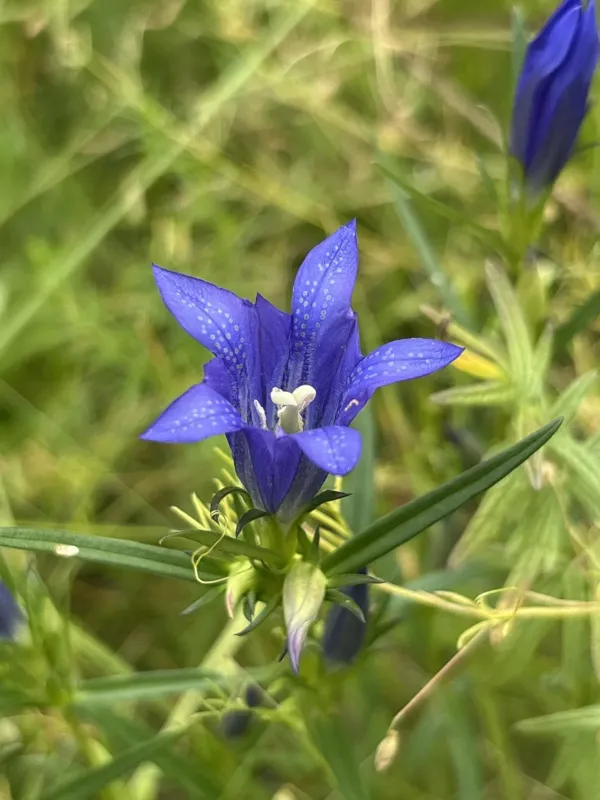
Description
Sowing dates
Marsh gentian cultivation begins with precise seed preparation, requiring stratification at cold temperatures for several months. In temperate climates, sowing seeds directly into the soil in late autumn is the most effective method, as it allows for natural exposure to fluctuating winter temperatures.
When starting indoors, seeds should be surface-sown on moist, well-draining soil in late winter. Because they require light to germinate, the seeds should never be covered with soil, but rather pressed gently into the substrate.
Maintaining a steady temperature of 18–20°C after the stratification period is essential for successful seedling emergence. Keep the growing medium consistently moist using a fine mist to avoid disturbing the seeds.
Once seedlings have developed several true leaves, they should be transplanted into individual pots. This hardening process helps build a robust root system before the young plants are relocated to their permanent garden beds.
Carefully site the young plants in areas where they will be protected from the most intense afternoon sun, as they prefer light dappled shade to reach their full potential.
Growing requirements
As a member of the Gentianaceae family, the Marsh gentian thrives in moist, acidic, or neutral soils. Good drainage is paramount, as the plants are susceptible to root rot if left standing in water for extended periods.
These plants require consistent moisture throughout their growth cycle. In regions with periodic drought, manual irrigation is necessary to prevent the root ball from drying out, which can severely stress the plant.
Soil fertility is important, and incorporating organic matter such as peat moss or leaf mold during the initial planting phase will provide the necessary nutrients. This mimics the nutrient-rich, moist environments of its native habitat.
The climate requirements for this plant are centered on cool to temperate conditions. It is highly winter-hardy, though providing a layer of protective mulch can safeguard the crowns during particularly harsh, low-snow winters.
Avoid planting in areas with high wind exposure, as the tall, slender stems can be prone to lodging. Creating a protected microclimate can significantly improve the longevity and overall health of the gentian display.
Main diseases and pests
Slugs and snails are the primary pests that damage Marsh gentian, especially in the damp, shaded environments they favor. Using copper tape barriers or eco-friendly bait can effectively manage these populations.
Botrytis, or grey mold, can become an issue if airflow around the foliage is restricted. Ensuring adequate spacing between plants and watering at the base rather than overhead can prevent fungal outbreaks.
Root rot caused by poor soil drainage remains the most significant threat to long-term plant health. Monitoring soil moisture levels and improving drainage with grit or perlite is the best preventive strategy.
Aphids occasionally target new, tender growth during the flowering season. While rarely fatal, they can weaken the plant; spraying with insecticidal soap or neem oil is usually sufficient to control the infestation.
Powdery mildew may occur during late summer when humidity levels fluctuate. Regular thinning of stems to encourage air circulation is the most effective cultural method to combat this disease.
Harvesting
In terms of agricultural and medicinal harvest, the roots of the Marsh gentian are the primary component collected. Harvest should take place in the autumn, once the plant has finished flowering and the aerial parts begin to senesce.
Carefully excavate the root system, taking care to wash away soil residues with cold water. Avoid prolonged soaking, as this can degrade the concentration of medicinal compounds within the roots.
Once cleaned, the roots should be cut into smaller segments to ensure consistent and rapid drying. Drying must occur in a well-ventilated, shaded area with a temperature controlled below 45°C to preserve active ingredients.
Properly dried roots should be crisp and brittle. Storing the final product in airtight containers in a cool, dark place prevents moisture re-absorption and degradation of quality.
When harvesting, always leave a portion of the population undisturbed to ensure natural seed dispersal and the long-term sustainability of the planting site.