
Gagea wilczekii
Gagea wilczekii
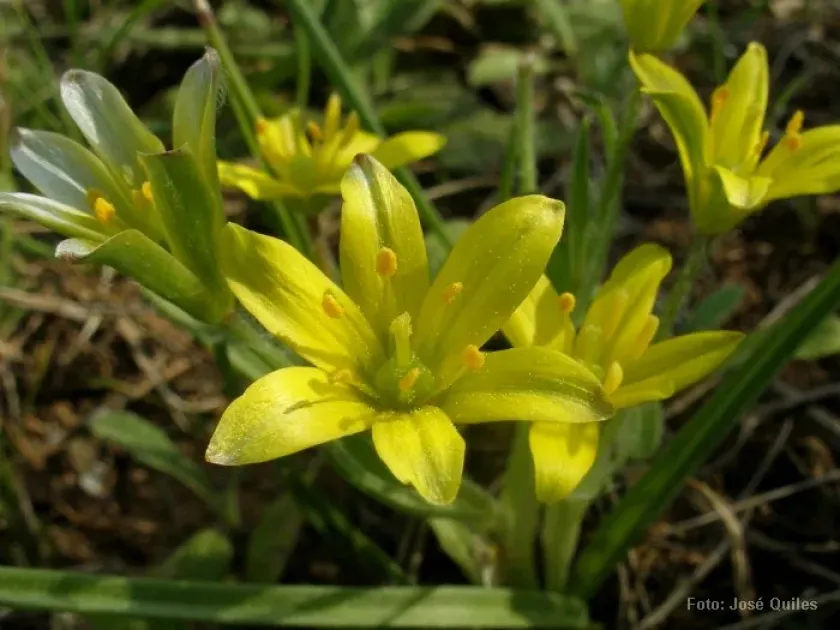
Description
Sowing dates
Gagea wilczekii, categorized as a spring ephemeroid, is best planted in early autumn to allow the root system to establish before the ground freezes.
Planting depth should be approximately three times the diameter of the bulb, ensuring the soil is light and crumbly to facilitate root penetration.
Propagation is primarily achieved through bulb offsets, which should be separated during the dormant season after the foliage has naturally withered.
For cultivation success, it is crucial to avoid leaving bulbs exposed to the air for long periods, as they are prone to desiccation and loss of viability.
Fall planting provides the necessary cooling period, known as vernalization, which is a physiological requirement for the plant to flower in the subsequent spring.
Growing requirements
This species thrives in well-drained, sandy loam soils that possess a neutral to slightly alkaline pH, avoiding any clay-heavy environments.
The plant requires full sun exposure during its active growing phase in early spring, making it ideal for open garden spaces or rockeries.
Temperature management is critical; Gagea wilczekii requires cool, moist springs followed by a distinct dry, warm period for the bulb to enter dormancy.
It is not suited for areas with high rainfall during the summer months, as excessive moisture often leads to bulb rot and fungal colonization.
- Optimal soil drainage is mandatory.
- High light intensity is required for spring growth.
- Avoiding competition with aggressive weeds.
Main diseases and pests
Fungal pathogens such as Sclerotinia and Fusarium are the primary threats, particularly in soils with poor drainage or during abnormally wet springs.
Insect pests including bulb mites and larvae of the onion fly can cause significant damage to the bulb tissue, weakening the overall plant vigor.
Rodents represent a major risk, as they frequently consume the nutrient-rich bulbs during the winter dormancy period when other food sources are scarce.
To minimize disease pressure, ensure that the planting area remains dry during the summer rest period, which effectively limits the growth of soil-borne fungi.
Regular inspection of the plant during the early growth phase allows for the early detection and management of infestations before they become epidemic.