
Gagea bulbifera
Gagea bulbifera
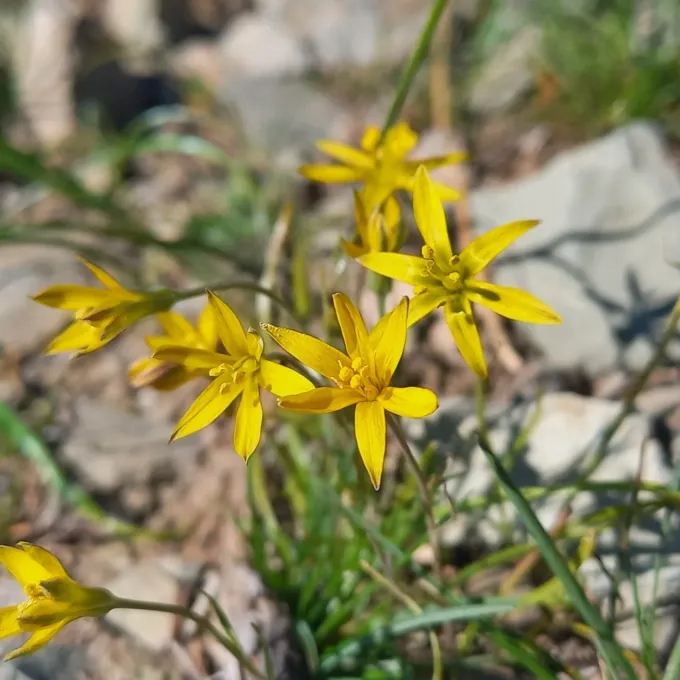
Description
Growing requirements
Gagea bulbifera is a perennial bulbous plant belonging to the Liliaceae family. It is recognized as an early spring ephemeral, adapted to thrive in harsh, continental climates where the growth season is restricted by rapid soil moisture depletion.
The natural habitat of this crop spans arid steppes and stony terrains across Eurasia. Its evolutionary development focuses on completing its vegetative and reproductive cycles before the onset of extreme summer heat and drought.
Successful cultivation requires soil that is light, well-draining, and rich in mineral content. The species demonstrates high tolerance to temperature fluctuations, yet it is extremely vulnerable to waterlogging, which poses the greatest risk to its root system.
Optimal agro-techniques involve choosing sites with full sun exposure during the early spring. As the plant enters dormancy, the moisture levels should be kept low to prevent the bulbs from developing fungal issues during the summer period.
This crop is often researched for its botanical properties and potential use in pharmacological applications. Its ability to propagate vegetatively through bulbils makes it an interesting subject for small-scale sustainable agriculture projects.
Main diseases and pests
The primary threats include soil-borne pathogens such as Fusarium oxysporum, which typically attack the bulb base. These diseases are often exacerbated by poor drainage and excessive irrigation during cool, damp spring weather.
Insect pests, particularly bulb mites and Diptera larvae, pose a significant risk by tunneling through the bulb tissue. Infestation usually results in sudden yellowing and collapse of the entire plant structure.
Disease management involves strict adherence to phytosanitary protocols. Bulbs should be inspected for lesions before planting, and chemical treatments are recommended only for pre-planting disinfection to ensure a clean start for the crop.
Crop rotation is crucial for managing soil health. Planting in the same location for multiple consecutive seasons significantly increases the accumulation of harmful soil pathogens and pest populations, leading to reduced yields.
Environmental management involves keeping the soil aerated to improve root respiration and prevent the spread of anaerobic bacteria. Properly managed aeration significantly reduces the vulnerability of bulbs to rot-inducing pathogens.