
Green-yellow gagea
Gagea chlorantha
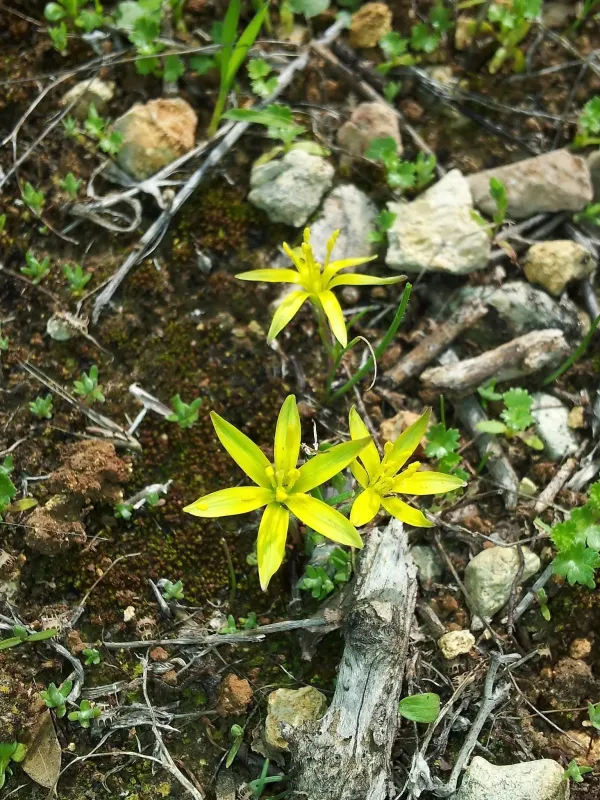
Description
Sowing dates
The green-yellow gagea is a spring ephemeral, meaning its growth cycle is completed rapidly during the early spring months. In cultivation, the primary method of propagation is vegetative, utilizing the small bulblets produced annually by the mother plant.
Planting is best performed in late summer or early autumn during the dormancy period. Bulbs should be set into the soil at a depth of 5 to 8 centimeters, depending on the texture and drainage capacity of the specific site.
While seed propagation is possible, it is rarely used commercially due to the requirement for cold stratification. Seeds are typically sown in outdoor beds in the autumn to ensure they experience the necessary winter chilling period.
Since the plant has a very short window of activity, agricultural operations such as soil cultivation or weeding must be completed before the leaves appear or after they have withered away.
Maintaining a weed-free environment is critical, as the small, delicate nature of the green-yellow gagea makes it a poor competitor against faster-growing weeds in the early spring garden.
Growing requirements
This species belongs to the Liliaceae family and is native to regions with steppe-like or mountainous environments. It thrives in well-drained, lightweight soils and is highly intolerant of waterlogged conditions.
Sunlight is a major requirement, as the plant needs to gather enough energy to build its bulbs during the brief period before the tree canopy closes or other vegetation takes over the space.
A crucial aspect of its physiology is the requirement for a dry, warm summer period. After the foliage dies back, the bulbs require a period of dormancy in warm, dry soil to initiate the development of next year's blooms.
Soil pH should ideally be neutral or slightly alkaline. The plant is well-adapted to rocky or gravelly substrates, which provide the excellent drainage that prevents bulb rot throughout the year.
Gardeners should avoid fertilizing with high-nitrogen compositions, as this encourages excessive leaf growth at the expense of bulb development and overall plant health.
Main diseases and pests
The most common threat to green-yellow gagea is bulb rot, usually caused by fungal pathogens that flourish in overly damp or poorly drained soils during the dormant season.
Soil-dwelling pests, such as wireworms or the larvae of various beetles, may tunnel through the soil and damage the bulb tissue, making the plant susceptible to secondary bacterial infections.
In humid storage conditions, bulbs can quickly succumb to molds, which may spread rapidly through stored batches of planting material if not monitored closely.
Rodents, particularly mice and voles, are known to forage on bulbous plants during the winter months, which can significantly reduce the density of established garden patches.
Competition from aggressive perennials or invasive grasses can lead to the slow decline of the gagea population, as it is unable to withstand significant shading during its active growing phase.
Harvesting
Harvesting should only occur after the foliage has turned yellow and withered completely, indicating that the nutrients have been successfully translocated back into the bulb.
Bulbs must be excavated carefully to ensure the protective outer skins remain intact, as any mechanical damage provides an entry point for diseases during the storage phase.
Post-harvest treatment involves drying the bulbs in a shaded, well-ventilated area. Direct sunlight should be avoided to prevent tissue damage and dehydration.
Once dry, the bulbs should be cleaned of soil debris and sorted by size. Any specimens showing signs of soft spots or rot must be discarded immediately to prevent contamination.
The stored bulbs are best kept in a cool, dry environment, ideally layered in dry peat or sand, which helps maintain the optimal moisture balance during the long summer dormancy.