
Gagea artemczukii
Gagea artemczukii
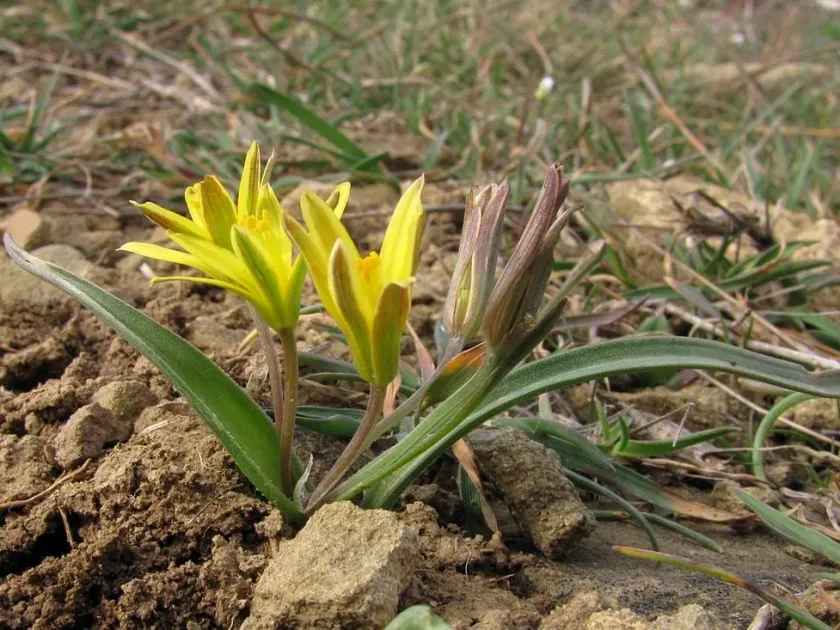
Description
Growing requirements
Gagea artemczukii is a member of the Liliaceae family, known as a typical spring ephemeral. This perennial bulbous plant completes its life cycle in a very short window during early spring, effectively avoiding the heat and drought of the mid-summer season.
The species primarily inhabits open, sunny areas such as steppes and light forests, where it benefits from the high moisture levels provided by melting snow. In a cultivated setting, it requires well-drained, nutrient-rich soil to support the rapid development of its small bulb during the active growing phase.
Environmental conditions are crucial; the plant is exceptionally cold-hardy, which is a key evolutionary adaptation. It thrives in regions where early spring allows for immediate vegetative growth before the surrounding vegetation becomes too dense.
Soil management for this crop focuses on providing structure that prevents waterlogging, which is the primary cause of bulb rot. It performs best in soils that are slightly alkaline or neutral, mirroring its native habitat conditions in natural grassland ecosystems.
The main horticultural use of Gagea artemczukii lies in niche gardening and botanical conservation. Because of its rarity and early flowering habit, it serves as a valuable subject for specialized gardens, rockeries, and plant conservation projects focusing on regional flora.
Main diseases and pests
Cultivation challenges are mainly attributed to fungal pathogens, particularly those that target the root system in poorly drained soils. Managing humidity levels and ensuring proper drainage are the most effective strategies for maintaining healthy populations of these bulbs.
Pests such as bulb mites and various soil-borne larvae can negatively impact yields in field conditions. Routine inspections of the bulb stocks are recommended, alongside cultural practices that minimize the spread of soil-transmitted diseases during the dormant season.