
Gagea bohemica
Gagea bohemica
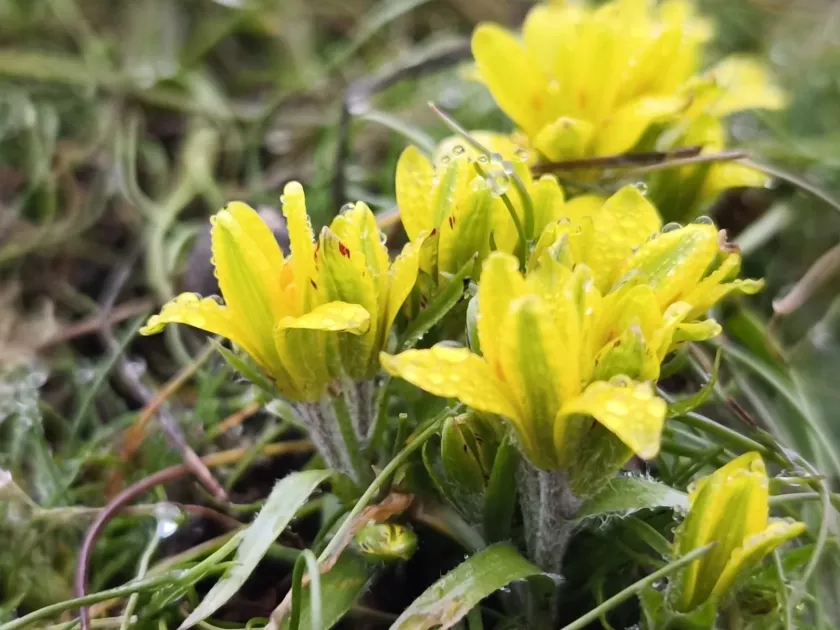
Description
Growing requirements
Gagea bohemica, commonly known as the Bohemian gagea, is a perennial herbaceous plant belonging to the Liliaceae family. It is prized for its early spring blooming period and resilience in harsh, rocky environments, making it a specialized crop for niche ornamental markets.
The native distribution of this species spans across Europe, where it inhabits dry meadows, rock outcroppings, and sandy slopes. Successful cultivation relies on replicating these conditions, specifically by providing excellent drainage and full sun exposure during its active growth phase in early spring.
Regarding soil requirements, this species thrives in gritty, neutral to slightly alkaline substrates. Heavy or clay-rich soils must be modified with grit or perlite to facilitate rapid water movement away from the bulbs, as poor drainage is the primary cause of crop failure in this species.
Agronomic practices for this plant emphasize the importance of the summer dormancy period. The bulbs require a warm and dry environment during the summer months to complete their metabolic cycle and prepare for the next season's growth; therefore, irrigation should be strictly curtailed once foliage yellows.
Propagation is primarily carried out via bulblets. Professional growers typically divide the bulb clusters every three to four years to ensure vigorous growth and prevent overcrowding. Proper spacing is essential to maintain airflow and reduce the humidity levels that often lead to foliage disease.
Main diseases and pests
The primary pathological threats to Gagea bohemica are root and basal rot fungi, predominantly from the Fusarium and Rhizoctonia genera. These pathogens thrive in stagnant water environments, making soil moisture management the most effective cultural control method.
Insects such as the narcissus bulb fly (Merodon equestris) can infest the bulbs, leading to stunted growth or total plant collapse. Integrated pest management strategies, including the use of pheromone traps and physical barriers, are recommended to maintain plant health throughout the season.
Small mammals, particularly voles and mice, represent a significant threat, as they forage on the nutrient-rich bulbs during the dormant season. Protecting the planting area with buried wire mesh is a standard preventative measure in areas known for high rodent activity.
Viral diseases, often transmitted by aphids, can cause chlorotic streaks and leaf deformity in Gagea populations. Strict control of aphid populations using insecticidal soaps or biological agents like ladybugs is necessary to prevent the horizontal spread of viruses within the cultivation plot.
Weed infestation presents a consistent challenge due to the plant's short stature. Selective herbicides are rarely used on Gagea bohemica due to the risk of chemical phytotoxicity; therefore, manual weeding or the application of organic mulch is preferred to minimize competition for soil nutrients and light.