
Gagea triflora
Gagea triflora
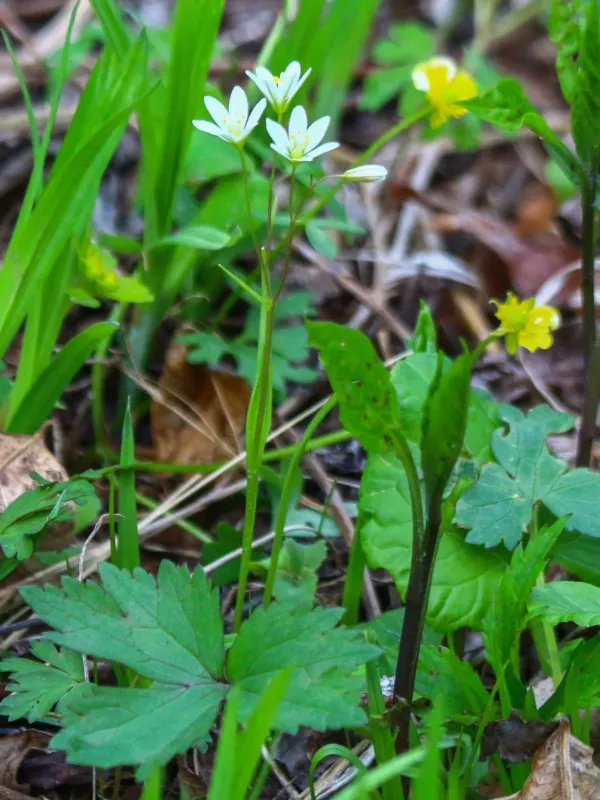
Description
Growing requirements
Gagea triflora, a member of the Liliaceae family, is a perennial bulbous plant primarily found in the temperate forest regions of East Asia. This species is known for its delicate spring flowering and short vegetative period, which is characteristic of forest ephemeroids.
The plant thrives in soil conditions that mimic its natural forest habitat: loose, nutrient-rich, and well-draining substrates are essential. It is highly sensitive to waterlogged environments, which can quickly cause bulb decay, especially during the dormant season.
Regarding climate, Gagea triflora prefers cool, moist springs. The plant requires a specific chilling period to initiate flower bud development, making it unsuitable for regions with consistently warm or subtropical climates without a distinct cold cycle.
Light management is crucial for the successful cultivation of this species. It is a shade-tolerant plant that benefits from dappled sunlight provided by overhanging tree branches, ensuring it receives enough light to build up energy stores before the canopy fully closes.
Minimalist cultivation techniques are advised, as the plant is adapted to undisturbed forest floors. Periodic light mulching with organic leaf litter can replicate natural soil enrichment while suppressing small weeds without the need for intensive soil disturbance.
Main diseases and pests
The most common threat to Gagea triflora is bulb rot caused by various fungi, typically proliferating in overly wet or poorly drained soils. Once rot establishes itself, it is difficult to treat, often requiring the removal of infected bulbs and surrounding soil.
Soil-dwelling pests, such as wireworms or the larvae of specific fly species, can cause physical damage to the bulbs. Such injuries are often entry points for pathogens and can lead to the rapid decline of a plant cluster if not managed properly.
Small mammals, particularly rodents, frequently forage for bulbs during the winter months. Protective netting or wire mesh barriers placed beneath the planting layer can be an effective deterrent against this type of predation.
Competition from vigorous weeds can overwhelm the small, slow-growing Gagea triflora. Even moderate weed encroachment during the short spring growth phase can prevent the plant from gathering enough nutrients for the following year's bloom.
Environmental stress, specifically severe winter freezes without protective snow cover, can also pose a risk. In such cases, providing a layer of natural mulch or straw helps insulate the bulbs and prevents damage from extreme temperature fluctuations.