
Spathulate Star-of-Bethlehem
Gagea spathacea
Description
Growing requirements
The Gagea spathacea, known as the Spathulate Star-of-Bethlehem, is a perennial herbaceous plant belonging to the Liliaceae family. It is recognized as a spring ephemeral, completing its vegetative cycle rapidly during the early spring months before the forest canopy fully develops.
Originating from temperate forest regions in Europe, this plant requires specific environmental conditions to thrive. It favors moist, humus-rich soils and sheltered locations where it can avoid direct, intense sunlight. It is not an agricultural crop and is rarely found outside its natural woodland habitats.
The cultivation requirements are strict, focusing on imitating the natural forest floor ecosystem. The plant requires a period of cold dormancy followed by a mild, humid spring to trigger growth. It lacks the robust growth habit required for commercial agricultural production, making it essentially a specialized wild botanical species.
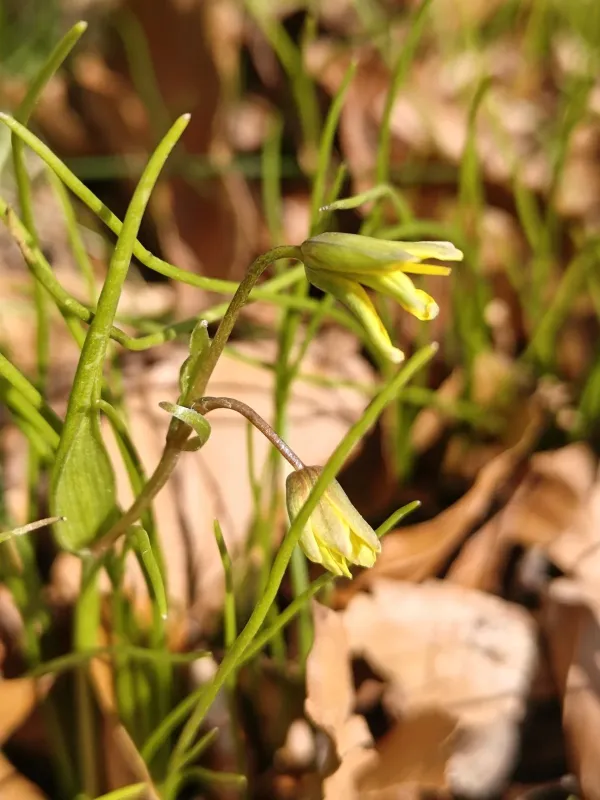
Botany-wise, the species is distinguished by its unique spathe-like bract which protects the flower cluster, and its small, nutrient-storing bulb. These adaptations allow the plant to utilize the brief window of warmth and sunlight available in temperate forests before the shade becomes too deep.
For amateur cultivation in rock gardens, Gagea spathacea requires well-drained, nutrient-dense soil and a location that stays cool during the summer dormant season. Propagation is primarily through bulb division, as the success rate of seed germination under artificial conditions remains quite low compared to natural forest settings.
Main diseases and pests
The main threats to the plant are habitat loss and degradation caused by forestry practices and agricultural expansion. As it occupies specific ecological niches, any change in soil moisture or competitive pressure from invasive weeds can lead to a rapid decline in local populations.
Common biological threats include bulb rot and fungal infections, particularly if the soil remains waterlogged. While it is rarely targeted by major agricultural pests, general bulb-feeding insects and soil pathogens can pose a risk to the fragile root system and reduce the plant's vigor.