
Gagea soleirolii
Gagea soleirolii
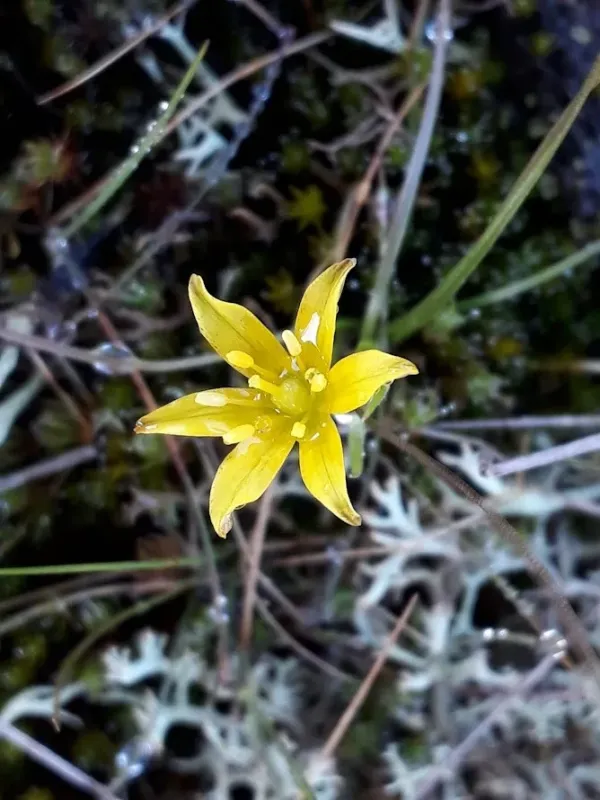
Description
Growing requirements
Gagea soleirolii, known as Soleirol's Gagea, is a perennial bulbous plant belonging to the Liliaceae family. It is a classic spring ephemeral characterized by a very short growth cycle that allows it to flower early in the season.
The plant originates from the mountain regions of Western Europe, particularly islands like Corsica and Sardinia. Its natural habitat includes rocky slopes and thin-soiled alpine meadows where it thrives in well-drained, nutrient-poor substrates.
In cultivation, this species requires full sun exposure during its active growth period in early spring. It is highly sensitive to shading, which can inhibit flower development and reduce the vitality of the bulb for the following season.
Soil requirements are strict regarding drainage. It is essential to use a gritty, stony substrate to mimic the mountain environment. Heavy soils that retain moisture will inevitably lead to bulb rot during the dormant summer phase.
Agrotechnical management is simple but specific: the bulbs should be planted in late summer at a depth of 5-8 cm. The plant does not require high levels of fertilization; excessive nitrogen can lead to weak growth and increased susceptibility to diseases.
Main diseases and pests
The most critical threat to Gagea soleirolii is fungal pathogens related to root and bulb rot. These organisms flourish when soil moisture levels remain high for extended periods, especially during the off-season dormancy.
Pests such as voles and mice pose a significant risk as they forage for small bulbs during the winter months. Protecting the planting area with wire mesh can prevent substantial losses in garden settings.
Slugs and snails can cause damage to emerging leaves in early spring, potentially reducing the photosynthetic capacity of the plant. Monitoring and manual removal are effective strategies for small garden plots.
To maintain plant health, it is vital to keep the soil dry during the summer. This period of drought is crucial for the bulb's maturation and preparation for the next vegetative cycle, acting as a natural defense against rot.
Preventive measures include dusting the bulbs with sulfur-based powder before planting to inhibit fungal growth. Additionally, avoiding deep planting in overly compact soils helps maintain oxygen levels around the root zone.