
Gagea serotina
Gagea serotina
Description
Growing requirements
Gagea serotina, commonly known in literature as the alpine lily or late-flowering lily, belongs to the Liliaceae family. It is a small perennial bulbous plant that was historically identified under the genus Lloydia before being reclassified into the Gagea genus based on phylogenetic studies.
The native range of this species is extensive, covering alpine and arctic regions across the Northern Hemisphere. It is most commonly found in rocky slopes, mountain meadows, and tundra environments where the growing season is significantly restricted by cold temperatures and high altitude.
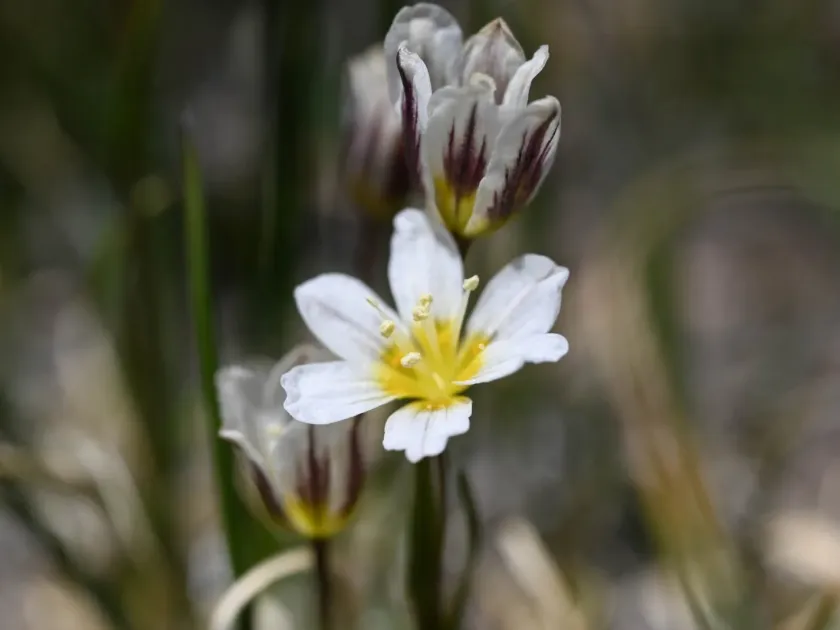
Morphologically, the plant is characterized by a small, tunicated bulb and narrow, grass-like leaves that emerge early in the spring. The flowers are typically white with prominent purplish veins on the outer segments, forming an elegant, cup-shaped structure that attracts specialized pollinators in alpine zones.
The cultural requirements for this plant are strictly related to its wild habitat conditions. It thrives in well-draining, gravelly soils that provide optimal aeration. In a controlled environment, such as alpine gardens, it demands a location with full exposure to sunlight and cool, moist conditions during the growth phase, followed by a dry resting period.
While Gagea serotina is not a commercial agricultural crop, it serves as a crucial component of high-altitude biodiversity. Researchers value it as an indicator species for climate change impact studies, as its flowering phenology is closely linked to snowmelt patterns and ambient temperature fluctuations in mountainous terrain.