
Gagea reverchonii
Gagea reverchonii
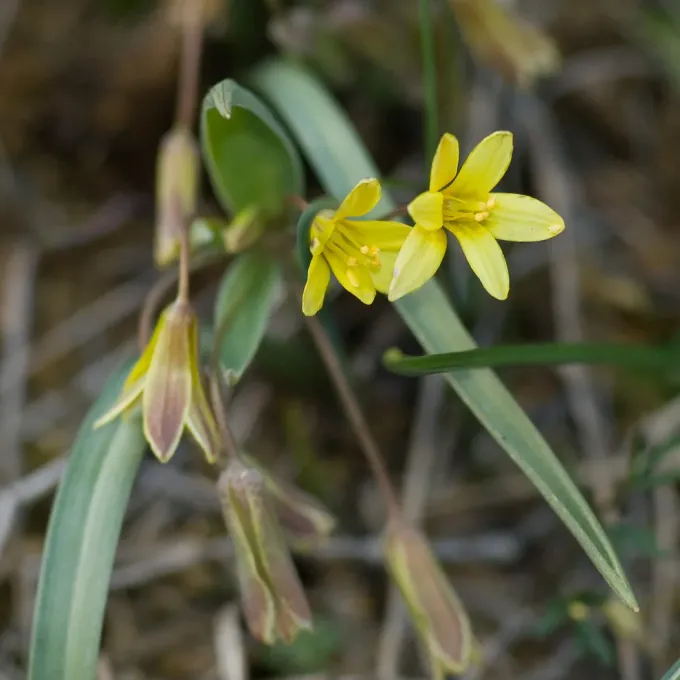
Description
Growing requirements
Gagea reverchonii, belonging to the Liliaceae family, is a small bulbous perennial endemic to the mountainous regions of Southern Spain. It is highly regarded in botanical circles for its specialized adaptation to Mediterranean rocky slopes.
As a true geophyte, the plant remains dormant during the hot and dry Mediterranean summer. Its vegetative phase is extremely short, occurring in the early spring when meltwater and rainfall provide sufficient moisture for growth and flowering.
Cultivation requires extreme attention to drainage. The substrate must be highly permeable, mimicking the scree and stony soils of its natural habitat. Using a mix of coarse sand and loam is essential to prevent water stagnation around the bulbs.
The plant thrives in full sun exposure. Sunlight is the primary energy driver for the development of its small yellow star-shaped flowers and the subsequent ripening of the bulb for the next cycle.
Temperature management is crucial. While it is hardy in its native mountain climate, in cultivation, it needs protection from excessive summer heat if the bulbs are kept in containers. In cold regions, containers must be kept in frost-free, dry conditions during winter.
Main diseases and pests
Fungal infections are the most common cause of crop loss for Gagea species. Fusarium and various species of Penicillium can cause rapid bulb rot, especially when soil or storage humidity levels are inadequately controlled.
Insects like the bulb mite are significant pests that often go unnoticed until the plant fails to emerge in spring. Regular inspection of stored bulbs and the use of healthy, clean planting material are the primary preventative measures.
Gastropods such as slugs and snails are highly attracted to the fresh, tender spring shoots. In garden settings, these pests can consume the entire aerial part of the plant overnight, preventing the plant from photosynthesizing.
Nutrient mismanagement poses a risk to the health of the plant. Over-fertilization, especially with nitrogen, results in overly succulent tissue that is highly prone to bacterial infections and physiological disorders during the dormant phase.
In some regions, small rodents and moles may disturb the planting site. If the bulb population is small, physical barriers like wire mesh cages are an effective way to protect the bulbs from being dug up or consumed.
Harvesting
This species is mainly used for ornamental purposes in rock gardens or specialized bulb collections. Its ability to thrive in poor soils makes it a unique addition to alpine landscapes, though it remains a rare find in commercial horticulture.
The harvest or transplanting of bulbs should only occur after the leaves have completely withered and turned yellow. This period indicates that the plant has retracted all energy into the bulb, which is vital for survival and future flowering.
Bulbs must be handled with care to avoid wounding the tunic. Any damage to the bulb tissue provides an entry point for soil-borne pathogens. After harvesting, they should be cleaned of soil and debris without using water.
Storage requires a cool, dry, and dark environment with excellent airflow. Bulbs should not be stacked in deep layers, as this can create pockets of humidity that trigger rotting. A shallow tray arrangement is recommended.
Propagation is most reliable via offsets (bulbils) produced by the parent bulb. Seed propagation is possible but slow, often requiring several years of growth under controlled conditions before the first flower appears.