
Meadow star-of-Bethlehem
Gagea pratensis
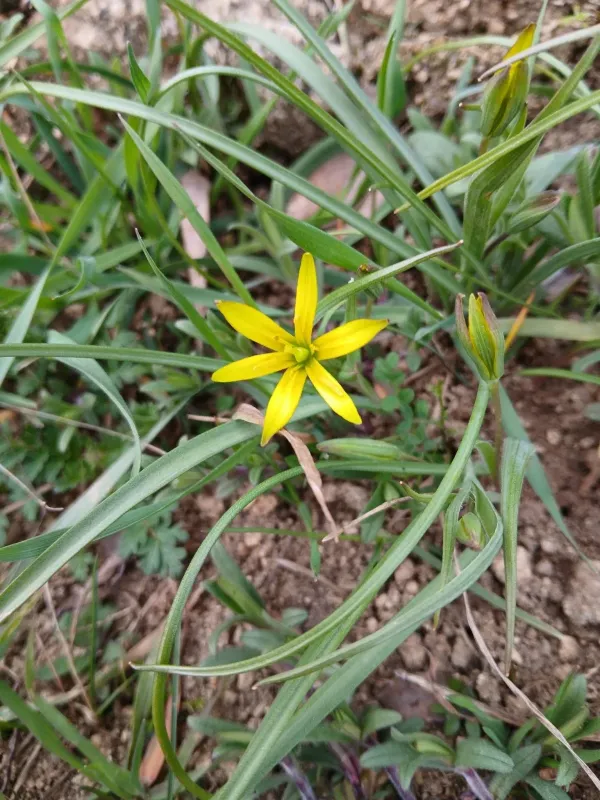
Description
Growing requirements
Meadow star-of-Bethlehem (Gagea pratensis) is a perennial ephemeroid plant belonging to the Liliaceae family. In agriculture and horticulture, this species is valued as an early-flowering ornamental bulbous plant that effectively covers soil in early spring.
The plant thrives in fertile, well-drained loamy or sandy soils. It is essential to ensure that the site has excellent drainage, as the bulbs are highly susceptible to rot if exposed to waterlogging during their dormant period in the summer.
The crop requires sufficient sunlight for optimal development. Exposure to direct light during the early spring allows the plant to accumulate the necessary nutrients for the next year's growth before the foliage naturally dies back.
Climate adaptation is a key feature of this species, as it is frost-hardy and well-suited for temperate regions. It requires a distinct cycle of growth in the cool spring followed by a dry period, which is standard for many bulbous ephemeroids.
Agrotechnical maintenance includes basic fertilization with complex mineral nutrients early in the spring. Avoiding chemical fertilizers with high nitrogen content is advised, as it may lead to excessive foliage growth at the expense of bulb health.
Main diseases and pests
The primary threats to Gagea pratensis are fungal pathogens, specifically those causing bulb and basal rot. These issues are most prevalent in heavy or poorly drained soils where moisture accumulates around the root system.
Pests that pose a significant risk include bulb mites and soil larvae, which can damage the bulb tissue and stunt the plant's growth. In some environments, slugs and snails can also feed on the developing green parts of the plant.
Cultural control methods, such as crop rotation and avoiding overly dense plantings, are highly recommended. These measures help to increase air circulation and reduce the humidity levels that fungal spores need to thrive.
Chemical control is rarely used on a large scale for this species, but preventative fungicide dips for bulbs before planting can be effective. Monitoring the site during the peak of the growing season allows for early detection of potential outbreaks.
Proper soil management, including the addition of sand or fine gravel to improve drainage, is the most effective long-term strategy for keeping the population healthy and free from common soil-borne diseases.